Introduction
Did you know that the efficiency of your machinery could depend on something as simple as a roller chain? While often overlooked, roller chains are critical components in nearly every mechanical system, from conveyors to heavy-duty industrial equipment. Yet, choosing the right type of roller chain is crucial for maximizing performance and longevity. With so many options available, how do you determine which one suits your needs? In this guide, we’ll dive into 8 types of roller chains, exploring their unique benefits and the best applications for each. By the end, you’ll be equipped to make an informed decision on which roller chain will best enhance your system’s efficiency and durability.
Standard Roller Chains
Overview of Standard Roller Chains
Standard roller chains, also known as ANSI chains, are the most commonly used type of roller chain. They follow the American National Standards Institute (ANSI) guidelines, ensuring consistency and compatibility with various industrial equipment. These chains consist of alternating inner and outer links, providing strength and flexibility for many standard applications.
Advantages of Standard Roller Chains
| Category | Description | Applications | Benefits | Maintenance |
| Premium Strength and Durability | Designed for optimal load distribution, ensuring long-term reliability in demanding applications. | Industrial machinery, conveyors, agricultural systems. | Provides consistent performance over time. | Regular lubrication and inspection to ensure longevity. |
| Wide Availability and Cost-Effectiveness | Easily available in a wide range of sizes, making it affordable for various industries. | Manufacturing lines, warehouses, material handling. | Cost-effective for businesses with limited budgets. | Easy to source replacement parts, reducing downtime. |
| Easy to Maintain | Simple design allows for quick inspection, lubrication, and maintenance. | Food processing, light-duty machinery, small-scale production. | Low operational costs due to easy maintenance. | Minimal downtime due to straightforward maintenance. |
| Versatility for Different Environments | Adaptable to various working environments, from dry to mildly humid conditions. | Agriculture (irrigation systems, crop handling), mining equipment, and automotive machinery. | Reliable in a variety of industries and environments. | Basic cleaning and occasional lubrication are sufficient. |
Best Uses for Standard Roller Chains
General Industrial Machinery: Suitable for machinery that doesn't require extreme load-bearing capabilities, such as conveyor belts, packaging machines, and general manufacturing equipment.
Agricultural Equipment: Used in systems like irrigation, crop handling, and feed conveyors. Their reliability and durability make them ideal for applications in farming machinery that operate in harsh conditions.
Material Handling Systems: Commonly used in automated material handling systems, such as in warehouses and distribution centers. These chains support conveyor belts and automated sorting systems that don't face extreme weight or heavy impact but require continuous, reliable operation.
Food Processing: Ideal for food production lines, where hygiene and reliability are crucial. Standard roller chains are often used in conveyors for packaging, sorting, and processing food products due to their ease of maintenance and corrosion resistance (if treated).
Heavy-Duty Roller Chains
What Makes Heavy-Duty Chains Different?
Heavy-duty roller chains are built to endure high loads and operate in harsh environments where standard chains may fail. Featuring thicker side plates, reinforced pins, and often heat-treated components, these chains offer enhanced strength and wear resistance. They are ideal for applications involving heavy machinery, such as mining, construction, and industrial equipment, where shock loads and extreme conditions are common. Their robust design ensures they can handle continuous high-stress operations, providing a reliable, long-lasting solution in environments that demand durability and performance under tough working conditions.
Key Advantages of Heavy-Duty Roller Chains
| Category | Description | Applications | Benefits | Maintenance |
| Greater Shock Load Resistance | Heavy-duty roller chains are built to absorb sudden shocks and impacts, preventing potential damage. | Mining equipment, construction machinery, large industrial machines. | Prevents damage from unexpected forces, ensuring reliability. | Inspect regularly for wear and ensure proper lubrication. |
| Longer Lifespan | Enhanced wear resistance allows these chains to last longer even under tough conditions. | Heavy machinery, manufacturing lines, mining and construction equipment. | Reduces the frequency of replacements, lowering long-term costs. | Regular cleaning and lubrication to maintain lifespan. |
| High Load Capacity | Designed for high-load applications, these chains can handle large stresses without compromising performance. | Mining, large-scale machinery, cranes, heavy-duty conveyors. | Can withstand extreme loads, making it suitable for demanding tasks. | Ensure proper tension and lubrication to prevent premature wear. |
Common Applications
Heavy Machinery: Used in crushers, excavators, and other industrial equipment that operates under extreme conditions.
Mining and Construction: Heavy-duty roller chains are essential in material handling and mining systems that require durability.
Agricultural Equipment: Heavy-duty roller chains are commonly used in agricultural machinery, such as harvesters, tractors, and irrigation systems. These chains handle heavy loads and work in outdoor environments where reliability and resistance to wear are essential for smooth operation during farming operations.
Energy and Power Generation: In power plants, heavy-duty roller chains are utilized in systems like turbines, generators, and conveyors for coal, biomass, or other materials. These chains are built to handle heavy-duty continuous operations and operate efficiently even under high temperature and load conditions.
Double-Pitch Roller Chains
What is a Double-Pitch Roller Chain?
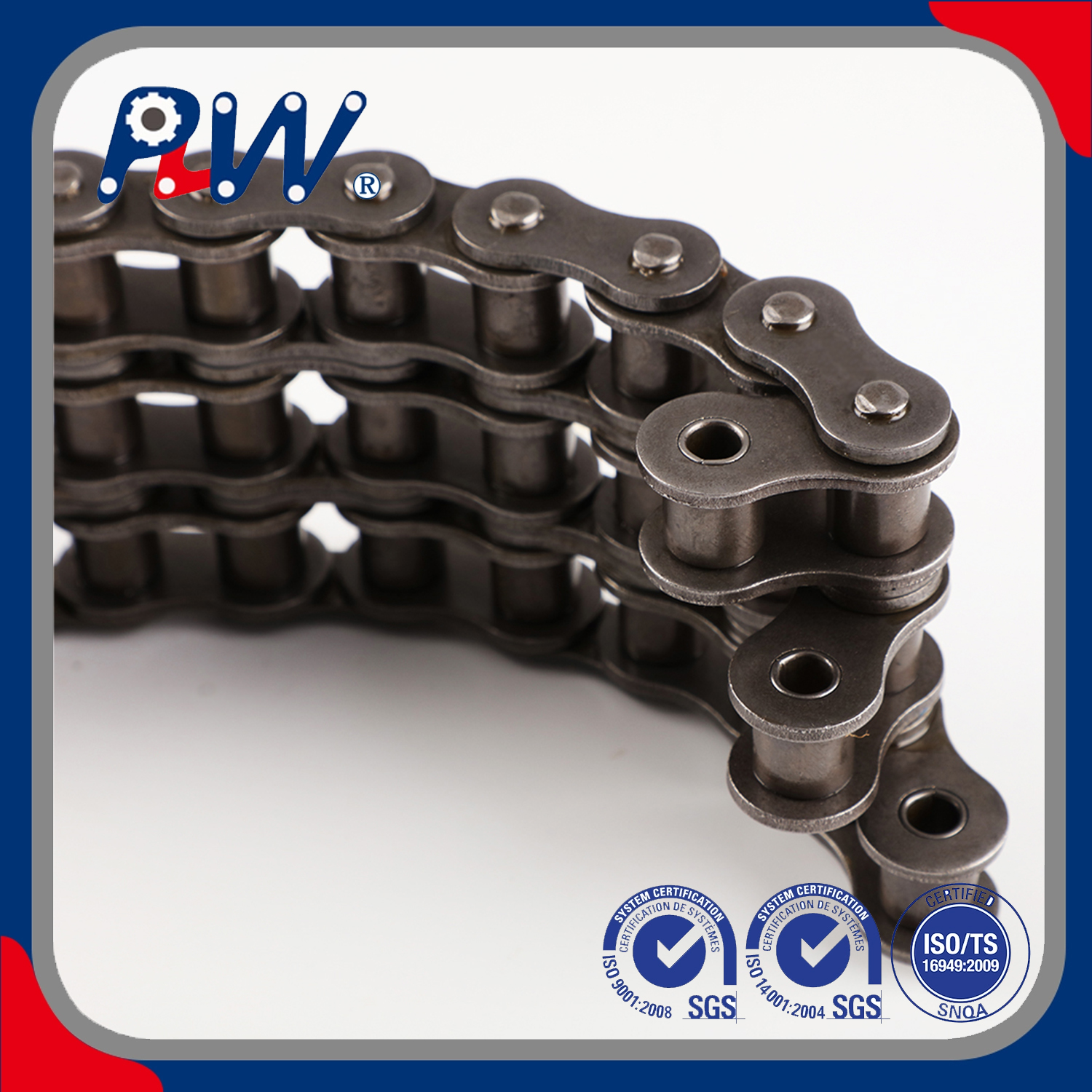
Double-pitch roller chains are designed with links that are twice as long as those in standard chains, significantly reducing their weight. This design makes them more cost-effective for applications that don’t require high load-bearing capacities. Ideal for low-speed, long-distance power transfer, these chains are perfect for use in conveyor systems, light-duty machinery, and other applications where minimizing weight and cost is a priority.
Advantages of Double-Pitch Roller Chains
| Category | Description | Applications | Benefits | Maintenance |
| Reduced Weight and Cost | By doubling the pitch, fewer links are needed, making the chain lighter and more affordable. | Conveyor systems, light-duty machinery, and systems requiring low-load, long-distance transfer. | Reduces overall system weight, making it cost-effective for low-load tasks. | Regular inspection and lubrication to ensure smooth operation. |
| Lower Friction and Wear | The longer pitch design minimizes friction between the links, leading to less wear. | Suitable for packaging systems, material handling, and transport systems where minimal friction is crucial. | Prolongs chain life by reducing wear and lowering maintenance costs. | Ensure proper alignment and lubrication to further reduce friction. |
| More Economical for Long-Distance Conveying | Ideal for applications that require the transfer of power over long distances without needing high load-bearing capacity. | Long conveyor systems, automated warehouses, and non-intensive industrial machinery. | Cost-effective for long-distance applications that don’t require heavy load-bearing. | Clean and maintain chain regularly to prevent buildup and ensure efficiency. |
Ideal Applications
Conveyor Systems: Double-pitch roller chains are ideal for low-speed applications such as material handling systems in warehouses, packaging lines, and assembly systems. These chains are used where power needs to be transmitted over long distances without requiring high load capacity. Their reduced weight and cost make them perfect for large-scale systems with extended conveyor lengths, ensuring smooth operation while minimizing energy consumption.
Light-Duty Equipment: These chains are commonly found in less demanding industrial machinery, such as packaging systems, small conveyors, and other light-duty equipment. They are ideal for applications where speed and efficiency are more important than handling heavy loads, providing cost-effective and reliable power transfer with minimal maintenance
Corrosion-Resistant Roller Chains
H3: Understanding Corrosion-Resistant Chains
Corrosion-resistant roller chains are made from stainless steel or are treated with coatings like nickel plating to resist rust and corrosion. These chains are ideal for use in environments exposed to moisture, chemicals, and extreme temperatures.
Advantages of Corrosion-Resistant Roller Chains
| Category | Description | Applications | Benefits | Maintenance |
| Enhanced Resistance to Rust and Oxidation | The stainless steel and plating prevent corrosion, ensuring longevity in wet or harsh conditions. | Marine environments, outdoor machinery, food processing, chemical handling, and wastewater treatment. | Prolonged chain life due to superior resistance to rust and corrosion. | Minimal cleaning required, but regular inspection is recommended. |
| Suitable for Extreme Environments | These chains perform well in harsh environments such as exposure to moisture, chemicals, or extreme temperatures. | Marine, food processing plants, chemical industries, and medical equipment where high hygiene is critical. | Ideal for use in industries with harsh working conditions, ensuring reliability. | Ensure proper storage to avoid corrosion and maintain performance. |
| Low Maintenance | Reduced rusting means fewer maintenance requirements over time, saving time and costs. | Ideal for applications where regular maintenance is challenging, such as food production lines and offshore machinery. | Reduces the frequency of required maintenance and lowers operational costs. | Check periodically for signs of wear or damage, but less frequent maintenance needed. |
Applications in Corrosive Environments
Marine Use: Corrosion-resistant roller chains are essential in boat or offshore machinery, where constant exposure to saltwater accelerates corrosion. These chains, made from stainless steel or coated with corrosion-resistant materials, offer superior durability, ensuring reliable performance in harsh maritime environments. Their resistance to rust and oxidation helps prevent frequent breakdowns and ensures smooth operation in critical applications.
Food Processing: In food production environments, hygiene and resistance to corrosion are paramount. Corrosion-resistant roller chains are used extensively in conveyors, packaging, and other food handling equipment, where exposure to moisture, cleaning agents, and high temperatures is common. These chains help maintain sanitary standards while offering long-lasting reliability, reducing the risk of contamination and ensuring efficient processing.
Tip: When selecting corrosion-resistant roller chains, confirm the level of corrosion resistance needed to meet the environmental demands.
Self-Lubricating / Lube-Free Roller Chains
H3: What Are Self-Lubricating Chains?
Self-lubricating roller chains feature oil-impregnated sintered bushings, which eliminate the need for regular lubrication. This makes them ideal for applications where lubrication is difficult or undesirable.
Key Benefits of Lube-Free Roller Chains
| Category | Description | Applications | Benefits | Maintenance |
| Reduced Maintenance | No need for frequent lubrication, saving time and resources while ensuring continuous performance. | Food processing, medical equipment, and systems where regular maintenance is difficult. | Reduces downtime, lowers maintenance costs, and increases operational efficiency. | Minimal maintenance required; periodic inspections recommended. |
| Operates in Extreme Temperatures | These chains perform effectively in temperature ranges from 300°F to 450°F without the need for lubrication. | High-temperature environments such as furnaces, ovens, and industrial machinery exposed to heat. | Maintains performance in extreme conditions without degradation or failure. | Check for any signs of wear or heat-related stress periodically. |
| Consistent Performance | These chains deliver consistent results even in hard-to-reach applications where lubrication is impractical. | Applications in confined spaces like small machinery, conveyors, or environments with limited access. | Reliable, consistent performance without requiring manual lubrication, even in difficult-to-reach locations. | Ensure proper alignment and check chain integrity regularly. |
Use Cases for Lube-Free Chains
Applications with Limited Maintenance: Suitable for machinery that operates in hard-to-reach or high-heat environments, like ovens or furnaces.
Food and Medical Equipment: Ideal for environments where cleanliness is essential, and lubrication could cause contamination.
Tip: Lube-free chains are best for clean environments where oil and grease could cause contamination or damage.
Leaf Chains
What Are Leaf Chains?
Leaf chains are made up of interleaved plates that provide greater tensile strength than traditional roller chains. These chains do not have rollers and are designed specifically for lifting applications.
Advantages of Leaf Chains
| Category | Description | Applications | Benefits | Maintenance |
| High Tensile Strength | Leaf chains can support very high loads without breaking or stretching, offering superior durability. | Used in lifting and hoisting systems such as forklifts, cranes, and material handling equipment. | Provides the strength needed for heavy-duty lifting tasks, ensuring reliability. | Inspect regularly for wear, especially on high-stress areas. |
| Compact and Flexible Design | Designed to fit into smaller spaces, leaf chains adapt to various lifting applications while maintaining strength. | Perfect for cranes, winches, and other lifting machinery with limited space for chain installation. | Ideal for tight spaces and compact designs, offering flexibility without compromising strength. | Ensure proper installation to maintain flexibility and performance. |
| Excellent Shock Load Absorption | Leaf chains absorb shock loads better than other chain types, making them ideal for high-impact tasks. | Used in construction, mining, and heavy lifting operations where sudden loads or impacts are common. | Protects machinery from damage caused by shock loads, increasing the chain’s lifespan. | Regularly check for signs of fatigue or wear caused by frequent shocks. |
Common Uses for Leaf Chains
Forklifts and Hoists: Heavy-duty roller chains are essential in lifting and material handling systems like forklifts and hoists, where high tensile strength is needed. These chains provide reliable performance under heavy loads, ensuring smooth operation in environments such as warehouses and construction sites.
Cranes: Ideal for cranes and other lifting machinery, heavy-duty roller chains are built to handle the dynamic loads and shock forces involved in lifting heavy materials. Their robust design and shock absorption capabilities prevent premature wear, making them crucial for construction, manufacturing, and industrial lifting tasks.
Tip:When selecting leaf chains, ensure they meet the required tensile strength for lifting heavy loads safely.
Hollow Pin Chains
Understanding Hollow Pin Chains
Hollow pin chains feature pins with hollow centers, allowing for easy attachment of accessories like cross rods, cleats, or other custom attachments. This makes them highly versatile for applications that require modifications, such as conveyors, material handling systems, and specialized industrial machinery. Their design enhances flexibility and adaptability in various operational setups.
Advantages of Hollow Pin Chains
| Category | Description | Applications | Benefits | Maintenance |
| Lightweight Yet Strong | The hollow pins reduce weight without sacrificing strength, making the chain easier to handle. | Used in light-duty conveyors, packaging systems, and material handling applications. | Reduces overall system weight, enhancing efficiency while maintaining strength. | Regularly inspect pins and ensure they are free from debris or blockages. |
| Versatile for Conveyors | Ideal for conveyor systems where attachments, such as hooks or cleats, are needed. | Suitable for material handling conveyors, automated sorting systems, and packaging machinery. | Provides flexibility to easily add or modify attachments, ensuring adaptability. | Check alignment and wear on attachment points regularly. |
| Easy Customization | Allows for the addition of various accessories without removing the chain, enhancing operational flexibility. | Used in custom conveyor designs, automated production lines, and systems requiring frequent modifications. | Simplifies customization for specific tasks, increasing overall system versatility. | Ensure attachments are securely fastened to avoid issues during operation. |
Ideal Applications for Hollow Pin Chains
Custom Industrial Uses: Hollow pin chains are ideal for custom industrial applications, such as automated conveyor systems, where attachments like hooks, clamps, or cross rods are frequently added or changed. Their flexibility allows easy adaptation to different materials and configurations, improving system efficiency.
Food Processing Lines: In food processing, hollow pin chains are used in systems where attachments need to be quickly and easily installed for handling specific tasks, such as sorting, packaging, or labeling. Their corrosion-resistant design ensures hygiene standards are met while offering smooth operation.
Plastic Roller Chains
What Are Plastic Roller Chains?
Plastic roller chains are made from engineered polymers and provide a corrosion-resistant, lightweight alternative to metal chains. These chains are ideal for specific applications requiring minimal weight and resistance to corrosion.
Advantages of Plastic Roller Chains
| Category | Description | Applications | Benefits | Maintenance |
| Resistant to Chemicals and Moisture | Plastic chains perform well in wet or chemically harsh environments, offering excellent corrosion resistance. | Ideal for use in food processing, pharmaceutical production, and chemical handling systems. | Provides long-lasting performance in environments with high humidity or chemical exposure. | Regularly inspect for wear and check for any chemical buildup. |
| Quieter Operation with Reduced Friction | The material provides quieter operation and reduced friction compared to metal chains, resulting in less noise and wear. | Used in equipment where noise reduction is important, such as food processing lines and medical devices. | Reduces noise pollution and minimizes wear, prolonging the chain’s life. | Check for smooth operation and keep the chain free from debris that could affect friction. |
| Lightweight | Plastic chains are lightweight yet strong, making them ideal for applications where weight is a concern. | Perfect for light-duty conveyors, small machinery, and robotic arms. | Offers flexibility without compromising strength, making it ideal for portable or compact equipment. | Clean regularly to ensure optimal function and prevent buildup that could affect weight distribution. |
Ideal Applications for Plastic Roller Chains
Food Processing: Plastic roller chains are widely used in food production lines where hygiene and corrosion resistance are crucial. Their smooth, non-corrosive surface prevents contamination, making them ideal for handling food products in environments that require strict sanitation standards and frequent cleaning.
Medical Applications: Plastic roller chains are perfect for medical machinery that operates in clean environments, such as surgical equipment or hospital automation systems. Their quiet operation, coupled with resistance to chemicals and moisture, ensures reliable performance while maintaining hygiene and minimizing disruption in sensitive settings.
Tip: Plastic roller chains are ideal for light-duty applications where metal chains may be too heavy or susceptible to corrosion.
Conclusion
Roller chains are essential in many industries, providing efficient power transmission across various systems. Each type, from standard to heavy-duty and corrosion-resistant, offers unique advantages suited to different applications. For example, HANGZHOU PERPETUAL MACHINERY & EQUIP-MENT CO.,LTD, offers a wide range of roller chains with exceptional durability, making them an excellent choice for industries requiring reliable performance under challenging conditions. Understanding the distinct benefits of each type ensures the selection of the best roller chain for specific needs, optimizing both performance and longevity. Choose the right chain to enhance system efficiency and reduce downtime.
FAQ
Q: What is a Roller Chain?
A: A roller chain is a mechanical component used for power transmission in various industrial applications. It consists of interconnected links and rollers that transfer torque between rotating shafts.
Q: How do I choose the right Roller Chain?
A: Choosing the right roller chain depends on factors like load capacity, operating environment, and the type of machinery. Consider whether you need a standard, heavy-duty, or corrosion-resistant chain for your specific application.
Q: What are the advantages of Double-Pitch Roller Chains?
A: Double-pitch roller chains are lightweight and cost-effective. They are ideal for low-speed, long-distance power transfer, reducing wear and minimizing the number of links needed for the application.
Q: Why are Corrosion-Resistant Roller Chains important in food processing?
A: Corrosion-resistant roller chains are crucial in food processing as they are resistant to moisture and chemicals, ensuring hygiene and reliability in environments where corrosion can compromise performance.
Q: What is the difference between standard and heavy-duty roller chains?
A: Heavy-duty roller chains are built to withstand higher loads and harsher environments than standard roller chains, making them suitable for demanding applications like mining and construction.
Q: How can Roller Chains improve machinery performance?
A: Roller chains provide reliable power transmission, reduce the risk of mechanical failure, and ensure smooth operation, ultimately improving the overall performance and lifespan of machinery.

 Español
  English
  العربية
  Français
  Русский
  Português
  Deutsch
  italiano
  日本語
日本語  한국어
한국어  Nederlands
  Tiếng Việt
  ไทย
ไทย  Polski
  Türkçe
  አማርኛ
አማርኛ  ພາສາລາວ
  ភាសាខ្មែរ
  Bahasa Melayu
  ဗမာစာ
ဗမာစာ  தமிழ்
தமிழ்  Filipino
  Bahasa Indonesia
  magyar
  Română
  Čeština
  Монгол
  қазақ
қазақ  Српски
  हिन्दी
  فارسی
فارسی  Kiswahili
  Slovenčina
  Slovenščina
  Norsk
Norsk  Svenska
  українська
  Ελληνικά
  Suomi
Suomi  Հայերեն
  עברית
עברית  Latine
  Dansk
Dansk  اردو
اردو  Shqip
Shqip  বাংলা
বাংলা  Hrvatski
  Afrikaans
  Gaeilge
  Eesti keel
  Māori
Māori  සිංහල
සිංහල  नेपाली
  Oʻzbekcha
  latviešu
  অসমীয়া
  Aymara
  Azərbaycan dili
  Bamanankan
  Euskara
  Беларуская мова
  भोजपुरी


