Chain sprockets are essential components in various industrial applications, playing a key role in power transmission systems, conveyors, and machinery across industries like material handling, agriculture, mining, and transportation. The material of the sprocket significantly influences its performance, durability, and cost-effectiveness. Brass and stainless steel are two commonly used materials for sprockets, each offering distinct advantages. Brass sprockets are often preferred for lighter-duty applications due to their malleability and cost-effectiveness, while stainless steel sprockets are known for their high strength, corrosion resistance, and ability to withstand heavy-duty conditions. Choosing the right material for your sprockets is crucial, as it directly impacts the efficiency and longevity of your equipment. In this article, we will compare brass and stainless steel sprockets, outlining their differences and helping you make an informed decision based on your specific needs.
Brass Chain Sprockets
1.Material Properties
Brass is a versatile material commonly used in sprockets, known for its corrosion resistance, malleability, and conductivity. Corrosion resistance makes brass sprockets ideal for environments that may involve moisture or exposure to certain chemicals. Its malleability allows for easier machining, and its conductivity makes it suitable for applications involving electrical machinery where conductivity is needed. However, brass is generally softer than materials like stainless steel, which limits its strength in heavy-duty applications.
2.Applications
Brass sprockets are often used in low-load or low-speed applications, where high strength is not the primary concern. These sprockets are ideal for systems that require precision and are not exposed to extreme wear conditions. They are commonly found in electrical machinery for their conductive properties, or in small-scale applications such as light-duty conveyors or printing presses, where moderate loads and speeds are involved. Brass sprockets are also favored in marine environments, where corrosion resistance is needed but the load-bearing capacity is not as demanding.
3.Advantages
The primary benefits of brass sprockets include cost-effectiveness, ease of machining, and good corrosion resistance in certain environments. Brass is less expensive than materials like stainless steel, making it a budget-friendly option for many applications. Additionally, brass is easier to machine, which can lead to lower production costs and quicker turnaround times for custom sprockets. For applications where corrosion resistance is important but extreme strength is not necessary, brass sprockets provide a reliable, long-lasting solution.
4.Limitations
Despite its advantages, brass sprockets do have some limitations. One significant drawback is that brass is generally softer and has lower strength compared to materials like stainless steel. This makes brass less suitable for high-load or high-stress applications, where there is a risk of wear or deformation over time. Additionally, brass sprockets may experience increased wear when used in abrasive or high-speed conditions, which can reduce their overall lifespan in demanding industrial environments.
Stainless Steel Chain Sprockets
1.Material Properties
Stainless steel is a high-performance material commonly used in sprockets due to its exceptional strength, durability, and corrosion resistance. Known for its resilience in harsh environments, stainless steel can withstand extreme temperatures, abrasive conditions, and exposure to moisture or chemicals without compromising its integrity. Unlike brass, stainless steel is much stronger, providing the necessary support for heavy-duty applications. Its resistance to rust and oxidation makes it an ideal choice for industrial machinery exposed to harsh conditions.
2.Applications
Stainless steel sprockets are widely used in heavy-duty applications, such as mining, material handling, and food processing. These industries require sprockets that can handle high loads, high speeds, and abrasive conditions. In mining, stainless steel sprockets are essential for moving large, heavy materials, while in material handling and food processing, they are used for their ability to resist corrosion in damp, chemically rich environments. Stainless steel sprockets are also suitable for automated systems and conveyor systems that require high-performance operation under continuous use.
3.Advantages
The primary benefits of stainless steel sprockets include their long lifespan, corrosion resistance, and ability to perform under extreme conditions. These sprockets offer outstanding durability, making them a reliable choice for high-load and heavy-duty applications. Their resistance to rust and corrosion ensures consistent performance in wet, corrosive, or high-temperature environments, such as food processing, marine, and chemical industries. Stainless steel sprockets also require less frequent maintenance and have a longer service life, reducing overall operational costs in the long run.
4.Limitations
One of the major drawbacks of stainless steel sprockets is their higher cost compared to materials like brass. The initial investment can be higher, which may be a consideration for applications with lower load requirements or where cost is a significant factor. Additionally, stainless steel sprockets tend to be heavier than brass sprockets, which could be a consideration in systems where weight and space are critical factors. Despite these limitations, the performance and durability of stainless steel sprockets often outweigh the initial costs, especially in demanding industrial environments.
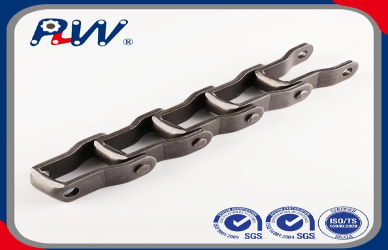
Key Differences Between Brass and Stainless Steel Chain Sprockets
1.Strength and Durability
When comparing brass and stainless steel sprockets, stainless steel clearly outperforms brass in terms of strength and durability. Stainless steel sprockets are designed to withstand high loads, abrasion, and stress in heavy-duty applications such as mining and material handling. They are capable of maintaining their shape and functionality over long periods, even under harsh operating conditions. On the other hand, brass sprockets are softer and generally suited for low-load and low-speed applications. Over time, brass may experience wear and deformation more quickly than stainless steel, limiting its lifespan in demanding environments.
2.Corrosion Resistance
Stainless steel is known for its superior corrosion resistance, making it the ideal choice for applications exposed to moisture, chemicals, or extreme conditions. Stainless steel sprockets are able to withstand harsh environments, such as food processing or marine applications, without rusting or degrading. In contrast, brass, while offering some resistance to corrosion, does not perform as well in wet or chemically aggressive environments. Stainless steel’s ability to resist oxidation and rust is a significant advantage in industries where long-term durability in harsh environments is crucial.
3.Cost and Applications
One of the key advantages of brass sprockets is their cost-effectiveness. Brass is a more affordable material compared to stainless steel, making it a suitable choice for light-duty applications where high strength is not as critical. These applications include small-scale conveyors, light machinery, and non-abrasive environments. On the other hand, stainless steel sprockets come at a higher initial cost but provide better performance and longer service life in heavy-duty industries such as mining, material handling, and food processing, where strength, corrosion resistance, and durability are key requirements. The higher upfront cost of stainless steel is justified by its long-term reliability and lower maintenance costs.
4.Weight and Machining
Brass sprockets are generally lighter than their stainless steel counterparts, which can be beneficial in applications where weight is a factor. Lighter sprockets can reduce the overall weight of the system, making them ideal for certain machinery that requires lower mass. However, stainless steel sprockets tend to be heavier, which can sometimes impact the design of the system, especially where weight and space are crucial considerations. In terms of machining, brass is easier to machine and shape due to its softer material, allowing for faster production and customization. Stainless steel, while tougher and more durable, may require more effort and advanced machining techniques to create precise sprocket teeth, increasing the production time and cost.
Choosing the Right Sprocket Material for Your Needs
1.Matching Material to Application
Choosing the right sprocket material depends on your machine, operating conditions, and performance needs. For light-duty applications, brass sprockets are ideal due to their cost-effectiveness and machinability. However, for heavy-duty or harsh environments, stainless steel sprockets are the better choice because of their strength, corrosion resistance, and durability. For example, food processing or marine environments benefit from stainless steel’s corrosion resistance, while brass is preferred in electrical machinery for its conductivity.
2.Considerations for Cost and Maintenance
When choosing between brass and stainless steel, consider both upfront costs and long-term maintenance. Brass sprockets are cheaper but may require more frequent maintenance or replacement due to wear. In contrast, stainless steel sprockets have a higher initial cost but offer longer lifespan and lower maintenance costs over time, making them better for high-load or heavy-duty applications.
3.Customization Options
Many manufacturers offer customization to fit specific needs, such as size, load capacity, and environmental conditions. Whether you need brass sprockets for conductivity or stainless steel for corrosion resistance, custom sprockets can be tailored to meet the exact specifications of your machinery, optimizing performance and ensuring durability in various applications.
FAQs
Q1: Are brass sprockets more cost-effective than stainless steel sprockets?
Answer: Yes, brass sprockets tend to be less expensive than stainless steel due to the material cost, making them a suitable choice for low-load and light-duty applications.
Q2: Can stainless steel sprockets be used in food processing environments?
Answer: Yes, stainless steel sprockets are highly resistant to corrosion, making them ideal for environments where hygiene and corrosion resistance are critical, such as in food processing.
Q3: Which sprocket material is better for heavy-duty applications?
Answer: Stainless steel sprockets are better suited for heavy-duty applications due to their high strength, durability, and corrosion resistance under extreme conditions.
Q4: How do brass sprockets perform under high-stress conditions?
Answer: Brass sprockets are more prone to wear and deformation under high stress and are best suited for low-load or non-abrasive environments where strength demands are not as high.
Conclusion
In summary, brass and stainless steel sprockets, including steel detachable sprockets, each offer distinct advantages depending on the application. Brass sprockets are cost-effective, easy to machine, and well-suited for low-load and non-abrasive environments, but they are not as strong and are more susceptible to wear in demanding conditions. In contrast, stainless steel sprockets and steel detachable sprockets provide superior strength, corrosion resistance, and long-term durability, making them ideal for high-load and harsh environments, such as food processing, mining, and other industries requiring robust performance. While stainless steel and steel detachable sprockets may come with a higher initial cost, they offer better performance and lower maintenance costs in the long run.
When selecting the right sprocket material for your operation, it's important to consider factors such as cost-effectiveness, strength, corrosion resistance, and the specific requirements of your application. By carefully evaluating these factors, you can ensure that your sprockets, including steel detachable sprockets, provide optimal efficiency, reliable performance, and long-lasting operation for your machinery.

 Español
  English
  العربية
  Français
  Русский
  Português
  Deutsch
  italiano
  日本語
日本語  한국어
한국어  Nederlands
  Tiếng Việt
  ไทย
ไทย  Polski
  Türkçe
  አማርኛ
አማርኛ  ພາສາລາວ
  ភាសាខ្មែរ
  Bahasa Melayu
  ဗမာစာ
ဗမာစာ  தமிழ்
தமிழ்  Filipino
  Bahasa Indonesia
  magyar
  Română
  Čeština
  Монгол
  қазақ
қазақ  Српски
  हिन्दी
  فارسی
فارسی  Kiswahili
  Slovenčina
  Slovenščina
  Norsk
Norsk  Svenska
  українська
  Ελληνικά
  Suomi
Suomi  Հայերեն
  עברית
עברית  Latine
  Dansk
Dansk  اردو
اردو  Shqip
Shqip  বাংলা
বাংলা  Hrvatski
  Afrikaans
  Gaeilge
  Eesti keel
  Māori
Māori  සිංහල
සිංහල  नेपाली
  Oʻzbekcha
  latviešu
  অসমীয়া
  Aymara
  Azərbaycan dili
  Bamanankan
  Euskara
  Беларуская мова
  भोजपुरी


