Introduction
Have you ever faced the frustration of a misfitting or damaged roller chain? Whether you're working on bicycles, motorcycles, or industrial machinery, roller chains are crucial for smooth power transmission. However, when these chains need adjustment or repair, a roller chain breaker becomes an essential tool. In this article, we will discuss how to properly use a roller chain breaker. You will learn the key steps involved, as well as tips and best practices to ensure smooth and efficient operation.
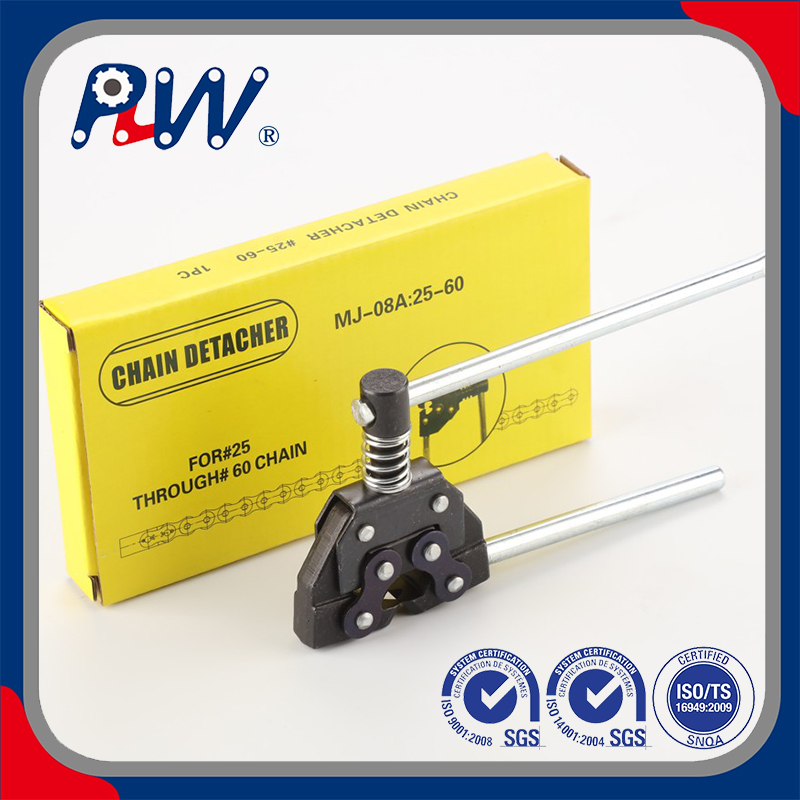
What is a Roller Chain Breaker?
Definition and Function
A roller chain breaker is a specialized tool used to remove links from a roller chain. It works by pushing the pins out of the chain, allowing you to remove individual links or adjust the length of the chain. The chain breaker is particularly useful when a chain doesn’t fit properly or when one of the links has become worn or damaged. This tool is crucial for any maintenance or modification tasks involving roller chains.
Key Features of a Roller Chain Breaker
Roller chain breakers are available in different designs, but they all share a few common features. These include:
Precision Pin Alignment: This feature ensures the tool’s pin aligns exactly with the chain's rivet. Proper alignment is crucial for pushing the pin out without damaging the chain or tool, ensuring efficient and precise removal of links.
Durable Construction: Roller chain breakers are made from high-quality, durable materials like hardened steel. This construction is essential for handling the intense pressure needed to push out the pins, ensuring the tool’s longevity even with frequent use on heavy-duty chains.
Versatility: Most chain breakers work with a wide range of roller chains, from smaller bicycle chains to larger industrial chains.
Ease of Use:Most roller chain breakers are designed to be user-friendly, with simple mechanisms that allow users to easily position the chain and apply pressure. Whether manual, hydraulic, or electric, the tools are designed for efficient operation with minimal effort.
Compact and Portable:While hydraulic and electric models provide greater power, manual chain breakers are compact and lightweight, making them ideal for mobile repairs or small-scale use. Their portability allows users to take them on-site or use them in confined spaces with ease.
Types of Roller Chain Breakers
H3: Manual Chain Breakers
Manual chain breakers are the most basic and affordable option. They require physical effort to operate, which means users must apply steady, consistent pressure to push the pin out. While manual breakers are excellent for small or occasional jobs, they can be labor-intensive for larger chains. They’re ideal for home mechanics or anyone working with small to medium-sized chains.
Hydraulic Chain Breakers
Hydraulic chain breakers use hydraulic pressure to remove chain pins, making them easier to operate with less physical effort. They are well-suited for heavy-duty chains and frequent use. These breakers are commonly used in industrial settings, where large, powerful chains are used. Hydraulic models are faster and more efficient than manual ones but are generally more expensive.
Electric Chain Breakers
Electric chain breakers are powered by electricity, making them the most convenient and efficient option for breaking chains. They are designed for high-volume operations, where speed and precision are crucial. These tools can easily handle large, tough chains, making them ideal for industrial or professional environments. Electric breakers are perfect for tasks that require frequent chain adjustments or repairs, such as in factories, maintenance workshops, or heavy machinery applications. Their ability to quickly and effectively break chains without manual effort improves productivity, reduces operator fatigue, and enhances overall efficiency in operations that demand high throughput.
Step-by-Step Guide to Using a Roller Chain Breaker
The following table outlines the detailed steps for using a roller chain breaker, with key considerations and important tips for each step. This guide ensures accurate operation and avoids common mistakes.
| Step | Action | Details and Considerations | Important Notes | Key Points |
| Step 1 | Preparing the Chain | - Clean the chain thoroughly using a degreaser or mild soap solution to remove dirt, grease, or any debris. | - Cleaning ensures smooth operation of the chain breaker and prevents dirt from interfering with the tool's effectiveness. | - Proper cleaning prevents tool wear and ensures smooth operation. |
|
| - Use a brush or cloth to scrub off any stubborn dirt or grease. | - Dry the chain completely before using the tool to avoid rust and ensure smooth operation. | - Thorough cleaning is essential for optimal tool performance. |
|
| - Mark the specific link that you want to remove using a marker or chalk. | - Ensure the mark is visible and precise to avoid mistakes during the chain breaking process. | - Precise marking reduces mistakes in link removal. |
| Step 2 | Positioning the Chain in the Tool | - Place the chain into the jaws of the chain breaker tool, ensuring the driving pin aligns precisely with the pin of the link. | - Double-check the chain’s alignment before applying any pressure to avoid misalignment that could damage the chain or tool. | - Precise alignment is crucial to prevent damage to the tool and chain. |
|
| - Secure the chain by tightening any bolts or adjusting the tool, ensuring the chain is held firmly in place. | - Improper positioning may lead to bent pins or the tool damaging the chain. Ensure that the tool is well-secured before moving forward. | - Proper positioning ensures the tool works efficiently and avoids tool damage. |
|
| - Ensure the chain is seated properly with the driving pin positioned over the rivet you intend to push out. | - Verify that the tool's driving pin is centered on the rivet to ensure efficient removal of the link. | - Accurate alignment of the pin is essential for effective chain modification. |
| Step 3 | Applying Pressure to Drive Out the Pin | - Slowly turn the handle or screw of the chain breaker, applying even pressure. | - Gradually increase pressure to avoid overwhelming the chain and causing tool or chain damage. | - Gradual pressure prevents tool or chain damage, ensuring controlled operation. |
|
| - Apply steady, consistent force, avoiding quick or sudden movements that can lead to damage or misalignment. | - Rushing this step may cause the tool or chain to malfunction. Proceed slowly to maintain control and avoid breaking the pin or tool. | - Even pressure avoids damage and ensures precision in removing the link. |
|
| - Stop when the pin begins to loosen but before it’s fully removed, leaving it slightly pushed out. | - Stopping before the pin is completely removed ensures easier reinstallation or reinsertion of a new pin if needed. | - Stopping at the right point ensures that the pin is loose enough for removal but not too far out to make reinstallation difficult. |
|
| - If the pin is partially pushed out, the link can often be removed easily. | - Always ensure the pin is pushed out only enough to release the link, as over-pushing can make it difficult to reassemble. | - Pushing the pin just enough allows for easier removal and reassembly of the chain. |
Safety and Best Practices for Using a Chain Breaker
Wear Protective Gear
When using a chain breaker, protective gear is essential. Gloves protect your hands from sharp edges, while goggles shield your eyes from flying debris, which can occur when pins are ejected. According to safety standards, eye protection is crucial in tasks involving mechanical tools, with studies showing that eye injuries account for 60% of tool-related incidents in workshops.
Proper Pressure Application
Applying steady, even pressure ensures efficient pin removal without overloading the tool. Excessive force can break pins or bend links, compromising chain integrity. Research indicates that a gradual application of force reduces the risk of tool failure and prolongs the tool's lifespan.
Chain Maintenance After Use
Cleaning and lubricating the chain and tool after each use prevents rust and ensures longevity. A study by the American National Standards Institute (ANSI) shows that proper lubrication increases a tool's life by up to 30%. Regular maintenance not only improves functionality but also saves costs in long-term replacements.
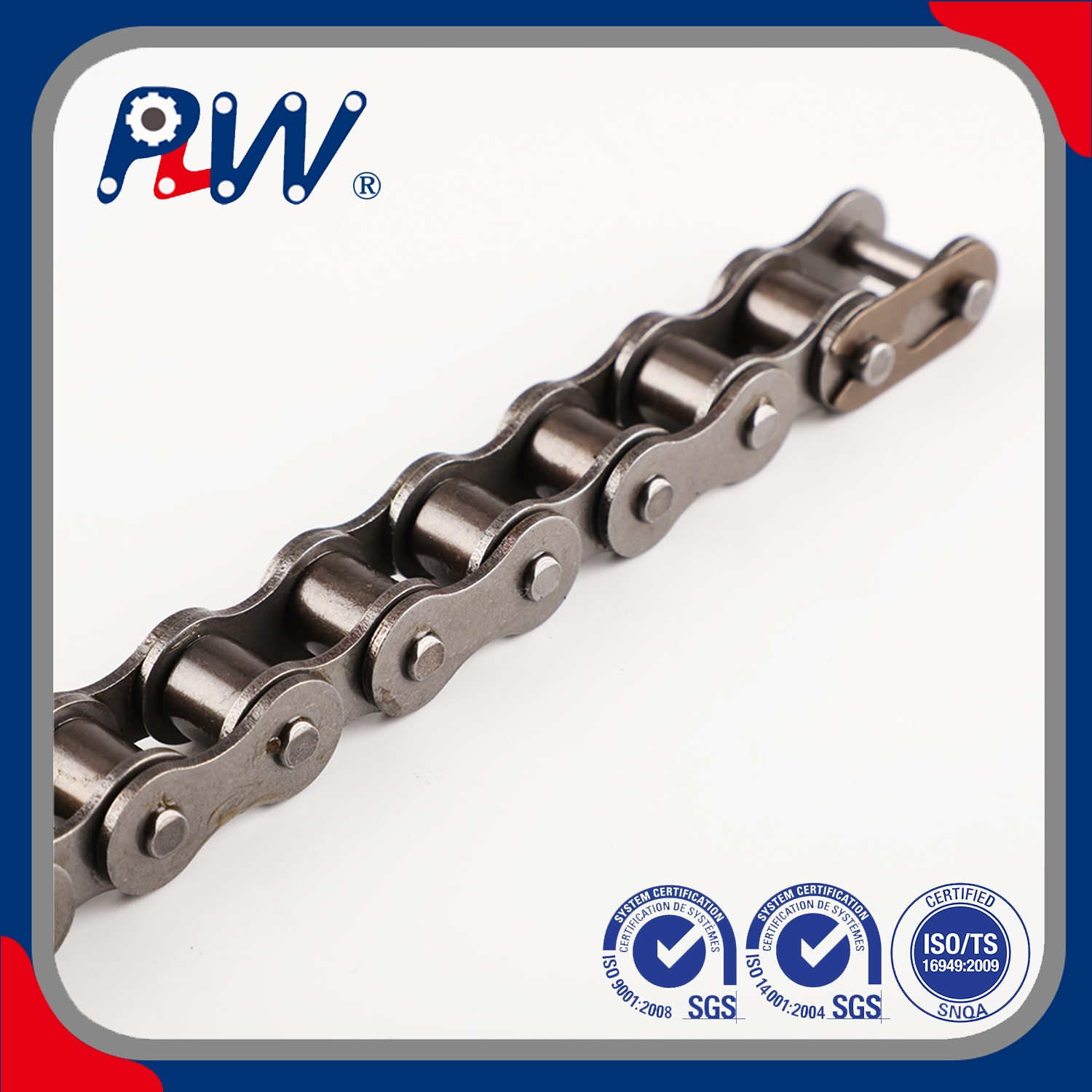
Common Mistakes to Avoid When Using a Chain Breaker
Misalignment of the Chain
Misaligning the chain with the tool is a common mistake that can lead to bent pins or damaged links, compromising both the chain and the breaker. Studies show that 15% of chain-related tool failures occur due to misalignment. Proper alignment ensures that the tool's pin directly impacts the rivet, preventing unnecessary stress on the tool and chain. Always double-check the positioning to avoid costly repairs.
Pushing the Pin Too Far
Over-pushing the pin can cause the link to be deformed, making reinstallation difficult. Research suggests that stopping once the pin is partially ejected prevents damage. Pushing the pin too far often leads to permanent distortion, requiring new links or a full chain replacement. Always stop when resistance eases and the pin is halfway out.
Not Lubricating the Tool
Neglecting to lubricate the chain breaker can lead to increased friction, which accelerates wear and reduces the tool's lifespan by up to 40%. Regular lubrication, as recommended by tool manufacturers, helps maintain smooth operation and prevents corrosion. A study by the National Safety Council found that proper maintenance increases tool reliability and safety in mechanical work.
How to Choose the Right Roller Chain Breaker
Size Compatibility
When choosing a roller chain breaker, ensure it matches your chain's size and pitch. A breaker that's too small may not provide enough force, while one that's too large could misalign, damaging both the tool and the chain. Industry standards, like ANSI, recommend selecting a breaker based on the chain's pitch and strength. For example, a #40 chain with a 1/2" pitch needs a breaker designed for that size. Using the wrong tool can cause 20-30% more wear and may lead to chain failure. Always consult manufacturer specifications to ensure compatibility and avoid costly damage.
Manual vs. Hydraulic vs. Electric Breakers
| Type of Breaker | Ideal Use | Advantages | Considerations |
| Manual Breakers | Smaller, occasional tasks | Affordable, easy to use, portable | Labor-intensive, slower for large chains, less power |
| Hydraulic Breakers | Heavy-duty, high-volume operations | Requires less effort, faster for tough chains | More expensive, requires maintenance, bulkier |
| Electric Breakers | Frequent, high-volume operations | Fast, efficient, minimal effort, ideal for large chains | Expensive, needs power source, less portable |
Conclusion
Using a roller chain breaker is an essential skill for anyone working with roller chains, whether for home repairs or industrial maintenance. By following the proper steps, wearing protective gear, and maintaining your tools, you can ensure efficient and safe chain adjustments. With various types of breakers available, from manual to electric, it’s important to select the right tool for your needs. Trusted brands and well-maintained tools are key to getting the job done right every time. HANGZHOU PERPETUAL MACHINERY & EQUIPMENT CO., LTD, offers high-quality roller chain breakers, designed to provide reliable performance and durability. Their products ensure efficient, precise chain modifications, making them an excellent choice for both small-scale and heavy-duty operations.
FAQ
Q: What is a roller chain breaker?
A: A roller chain breaker is a tool used to remove links from a roller chain by pushing out the pins. It is essential for adjusting or repairing chains without needing to replace the entire component.
Q: How do you use a roller chain breaker?
A: To use a roller chain breaker, position the chain in the tool, align the pin with the breaker’s driving pin, and apply even pressure to push the pin out. Always ensure the chain is correctly aligned.
Q: Why do I need a roller chain breaker?
A: A roller chain breaker is crucial for removing damaged links or adjusting the length of a roller chain. It’s more cost-effective than replacing the entire chain and allows for precise repairs.
Q: Can I use any chain breaker for all roller chains?
A: No, it's important to select a chain breaker that matches the pitch and strength of your roller chain. Using the wrong tool can damage both the chain and the breaker.
Q: What are the advantages of hydraulic and electric chain breakers?
A: Hydraulic and electric breakers provide more power and efficiency, especially for heavy-duty or high-volume tasks, compared to manual tools. They reduce physical effort and save time.
Q: How much does a roller chain breaker cost?
A: The price of a roller chain breaker varies based on type and brand. Manual breakers are typically less expensive, while hydraulic and electric models are more costly due to their higher power and efficiency.

 Español
  English
  العربية
  Français
  Русский
  Português
  Deutsch
  italiano
  日本語
日本語  한국어
한국어  Nederlands
  Tiếng Việt
  ไทย
ไทย  Polski
  Türkçe
  አማርኛ
አማርኛ  ພາສາລາວ
  ភាសាខ្មែរ
  Bahasa Melayu
  ဗမာစာ
ဗမာစာ  தமிழ்
தமிழ்  Filipino
  Bahasa Indonesia
  magyar
  Română
  Čeština
  Монгол
  қазақ
қазақ  Српски
  हिन्दी
  فارسی
فارسی  Kiswahili
  Slovenčina
  Slovenščina
  Norsk
Norsk  Svenska
  українська
  Ελληνικά
  Suomi
Suomi  Հայերեն
  עברית
עברית  Latine
  Dansk
Dansk  اردو
اردو  Shqip
Shqip  বাংলা
বাংলা  Hrvatski
  Afrikaans
  Gaeilge
  Eesti keel
  Māori
Māori  සිංහල
සිංහල  नेपाली
  Oʻzbekcha
  latviešu
  অসমীয়া
  Aymara
  Azərbaycan dili
  Bamanankan
  Euskara
  Беларуская мова
  भोजपुरी


