Steel detachable chains are essential components in many industries, including agriculture, mining, material handling, and transportation. These chains are commonly used in equipment like conveyors, harvesters, and industrial machinery due to their durability and reliability in heavy-duty applications. However, like all mechanical components, steel detachable chains are subject to wear and tear over time, leading to the need for maintenance or replacement of damaged links. Having the right tools for this task is crucial, and one of the most important tools in this process is the steel detachable chain breaker. This tool allows for precise pin removal to facilitate chain repairs and ensure the continued performance of machinery. Whether for regular maintenance or unexpected breakdowns, the chain breaker plays a vital role in extending the lifespan of steel detachable chains and minimizing downtime in industrial operations.
What is a Steel Detachable Chain Breaker?
1.Definition
A Steel Detachable Chain Breaker is a specialized tool designed for removing or replacing links in steel detachable chains. These chains are often used in heavy-duty applications such as agriculture, mining, material handling, and transportation. The breaker is an essential tool in maintenance and repair tasks, allowing users to efficiently disconnect chain links without the need for a full chain replacement.
2.How it Works
The steel detachable chain breaker operates through a mechanical mechanism that applies force to push the pins out of the chain links. By positioning the chain within the tool and aligning the pins, the breaker uses a hydraulic or manual force to drive the pin out of the link, effectively disconnecting the chain. This process allows for link replacement, adjustment, or repair without the need to remove the entire chain from the system.
3.Why It’s Important
The steel detachable chain breaker is crucial for cost-effective repairs and prolonging the life of steel chains. Instead of replacing an entire chain, the breaker allows for the removal of damaged or worn links, saving both time and money. By maintaining the integrity of the existing chain and replacing only the necessary parts, businesses can minimize downtime and reduce operational costs, making the breaker an indispensable tool in industrial maintenance.
Key Features of a Steel Detachable Chain Breaker
1.Heavy-Duty Construction
A Steel Detachable Chain Breaker is built with heavy-duty materials to withstand the significant pressure required to break tough steel chains. Its robust construction ensures that the tool can handle the demands of high-performance industrial applications, providing reliable service even under harsh working conditions. This durability makes it suitable for frequent use in industries such as mining, agriculture, and material handling.
2.Adjustable Mechanism
One of the standout features of a steel detachable chain breaker is its adjustable mechanism. The tool is designed to accommodate a wide range of chain sizes, making it versatile for use across different industrial applications. Whether dealing with large or small chains, the adjustable mechanism ensures that the breaker can be easily configured to handle various chain types and link sizes, offering flexibility and efficiency in repairs.
3.Easy-to-Use Handle
The ergonomic design of the chain breaker’s handle ensures ease of use during operation. Its handle is designed to minimize operator fatigue, allowing users to apply the necessary force comfortably and safely. The handle's grip ensures better control over the tool, making it easier to operate even during extended periods of use, which is especially important in high-volume maintenance environments.
4.Durable Pins and Components
The pins and components of the steel detachable chain breaker are constructed to endure high-pressure operations. These strong pins ensure that the tool can efficiently and safely remove pins from steel chains without breaking or wearing down. The durability of these components is crucial for maintaining consistent, effective performance over time, even when the breaker is subjected to repetitive, heavy-duty tasks.
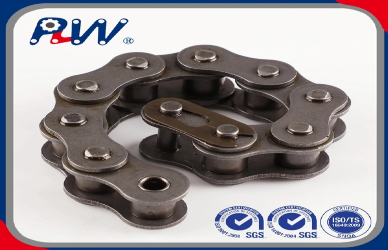
Step-by-Step Guide: How to Use a Steel Detachable Chain Breaker
Step 1: Safety First
Before starting the process, ensure you wear the necessary protective gear to safeguard yourself during operation. This includes gloves to protect your hands from sharp edges, safety glasses to shield your eyes from debris, and if needed, steel-toed boots to protect your feet. Safety is a priority when working with heavy-duty tools, so take the necessary precautions to avoid injury.
Step 2: Prepare the Chain
Make sure the chain is clean and free from any debris or buildup that could interfere with the breaking process. Clean the chain using a brush or cloth to remove dirt and grime. Next, identify the pin that needs to be removed, ensuring it's clearly visible and positioned for removal. The pin should be in proper alignment with the tool’s driving pin to ensure smooth operation.
Step 3: Position the Chain in the Breaker
Place the chain on the breaker’s anvil, aligning the pin to be removed with the driving pin of the tool. This is a critical step—ensure that the pin is aligned directly with the breaker’s mechanism to ensure proper pin removal and prevent damage to the surrounding links.
Step 4: Break the Chain
Now, use the handle of the chain breaker to slowly apply pressure. This will push the pin out of the chain, effectively breaking the link. Apply steady, even pressure to ensure the pin is pushed out smoothly. Avoid sudden force that could lead to misalignment or damage to the tool or chain.
Step 5: Remove the Pin and Separate the Links
Once the pin is fully pushed out, carefully remove it from the chain. Separate the chain links by gently pulling them apart. Be cautious not to damage the surrounding links during this process. If needed, use a picking tool to assist in removing any stuck pieces of the chain.
Step 6: Reassemble or Replace Links
After the damaged or worn-out link has been removed, you can reassemble the chain by inserting a new pin or replacement link. Make sure the new pin is aligned correctly and securely fastened. Once the links are reattached, ensure the chain is properly assembled and ready for use, checking that it operates smoothly before reintegrating it into machinery.
Tips for Effective Use of a Steel Detachable Chain Breaker
1.Ensure Proper Alignment
One of the most important tips for effective use is to properly align the chain and pin within the tool. The pin that needs to be removed should be positioned correctly in line with the driving pin of the chain breaker. Proper alignment ensures that the pin is pushed out smoothly without putting unnecessary stress on the surrounding links. Misalignment can cause the tool to slip or even damage the chain, leading to costly repairs or replacements.
2.Lubricate Chains Regularly
To keep the steel detachable chain in good condition, it's essential to lubricate the chain regularly. Proper lubrication reduces friction and prevents excessive wear, making the chain easier to work with and extending its lifespan. When the chain is lubricated, it also reduces the strain on the chain breaker during future use, making the pin removal process more efficient and less damaging to both the chain and the tool.
3.Avoid Over-Tightening
When using the steel detachable chain breaker, always avoid applying excessive force when breaking the chain. Over-tightening or applying too much pressure can cause damage to both the chain and the breaker tool. If you encounter resistance, it’s better to stop and check the alignment of the chain rather than force the process, as excessive pressure can lead to tool damage or bending of the pin. Applying steady, controlled pressure ensures effective and safe pin removal without causing unnecessary damage.
FAQ
Q1: Can I use a steel detachable chain breaker for other types of chains?
Answer: The steel detachable chain breaker is specifically designed for detachable steel chains. Using it on other types of chains, such as roller chains, may damage the tool.
Q2: How often should I replace the pins on my steel detachable chain?
Answer: Pins should be replaced if they show signs of wear, corrosion, or looseness. Regular inspection of the chain is key to ensuring safety and functionality.
Q3: What size steel detachable chains can a standard chain breaker handle?
Answer: Most chain breakers are designed to handle chains ranging from 1/2" to 2" pitch. Always check the tool specifications for compatibility with your specific chain size.
Q4: Can the chain breaker be used for chains that are heavily rusted or corroded?
Answer: While the chain breaker can still function, rusted or corroded chains should be treated with lubricant or penetrating oil before using the tool to make the pin removal process easier.
Conclusion
The Steel Detachable Chain Breaker is an essential tool for maintaining steel detachable chains, particularly in industries like agriculture, mining, and material handling, where these chains are integral to the machinery's operation. By allowing for precise and efficient pin removal, the chain breaker helps to prolong the life of chains, reducing the need for costly and time-consuming full replacements. Using the right tool for the job is critical to ensuring safe and effective repairs, preventing damage to both the chains and the tools. Proper chain maintenance practices, combined with high-quality tools like the steel detachable chain breaker, contribute to long-term operational efficiency and cost savings. We encourage readers to assess their current chain maintenance practices and consider investing in reliable, durable tools to enhance their maintenance process and keep their equipment running smoothly.

 Español
  English
  العربية
  Français
  Русский
  Português
  Deutsch
  italiano
  日本語
日本語  한국어
한국어  Nederlands
  Tiếng Việt
  ไทย
ไทย  Polski
  Türkçe
  አማርኛ
አማርኛ  ພາສາລາວ
  ភាសាខ្មែរ
  Bahasa Melayu
  ဗမာစာ
ဗမာစာ  தமிழ்
தமிழ்  Filipino
  Bahasa Indonesia
  magyar
  Română
  Čeština
  Монгол
  қазақ
қазақ  Српски
  हिन्दी
  فارسی
فارسی  Kiswahili
  Slovenčina
  Slovenščina
  Norsk
Norsk  Svenska
  українська
  Ελληνικά
  Suomi
Suomi  Հայերեն
  עברית
עברית  Latine
  Dansk
Dansk  اردو
اردو  Shqip
Shqip  বাংলা
বাংলা  Hrvatski
  Afrikaans
  Gaeilge
  Eesti keel
  Māori
Māori  සිංහල
සිංහල  नेपाली
  Oʻzbekcha
  latviešu
  অসমীয়া
  Aymara
  Azərbaycan dili
  Bamanankan
  Euskara
  Беларуская мова
  भोजपुरी


