Steel detachable chains are essential components used in a wide variety of industries, including agriculture, mining, material handling, and transportation. These chains are crucial for tasks like conveying materials, driving machinery, and supporting various mechanical systems. However, to ensure optimal performance and longevity, it’s vital to choose the correct steel detachable chain size. Selecting the right size is essential for ensuring that the chain can handle the required load and speed while minimizing wear and tear. Understanding chain sizes involves considering factors like pitch, material strength, and load capacity, all of which influence the efficiency and durability of the chain. In this article, we will explore the different types of steel detachable chain sizes, their common applications, and how to choose the right one to meet your operational needs.
Understanding Steel Detachable Chain Sizes
1.What are Steel Detachable Chains?
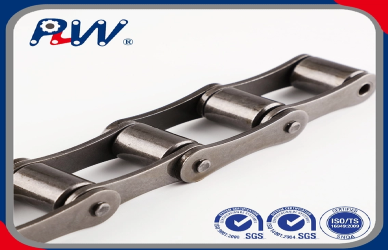
Steel detachable chains are durable and versatile components used in heavy-duty applications such as agriculture, mining, and material handling. They consist of interlocking links that can be easily connected or disconnected, making them ideal for systems requiring frequent adjustments or replacements. These chains are built to handle high-load environments and are commonly used in conveyor systems, machinery, and other industrial operations.
2.How Steel Detachable Chains are Measured
Steel detachable chains are measured by the following key dimensions:
Pitch: The distance between the centers of two adjacent pins. The pitch affects the chain's compatibility with sprockets, speed, and load capacity. Smaller pitch sizes are for lighter-duty tasks, while larger pitches handle heavier loads.
Length: The total number of links in the chain, determining its span and fit in machinery.
Width: The distance between the outer edges of the chain links, with wider chains offering greater strength and load capacity.
These measurements influence the strength and capacity of the chain for different applications.
3.Different Types of Steel Detachable Chains
Single Pitch Chains: Suitable for lighter-duty applications, these chains are used where moderate speeds and medium loads are involved.
Double Pitch Chains: These chains have a longer pitch and are ideal for heavy-duty applications, such as conveyor systems, where high load-bearing capacity is required.
Custom Size Chains: Custom chains are tailored to meet specific needs, including unique pitch sizes, materials, or design features for specialized industrial applications.
By understanding these measurements and types, you can select the right steel detachable chain for your specific needs, ensuring reliability and efficiency in industrial operations.
Factors That Affect Steel Detachable Chain Sizes
1.Pitch
The pitch of a steel detachable chain is one of the most important factors when choosing the correct chain size. The pitch refers to the distance between the centers of adjacent pins, and it directly affects the chain's fit with the sprockets. A smaller pitch is typically suited for lighter-duty applications with higher speeds, while a larger pitch is more suitable for heavy-duty tasks where the chain is subject to high loads. Choosing the correct pitch ensures optimal performance, efficiency, and longevity for the application.
2.Material Strength and Coating
The material of the chain, such as carbon steel or stainless steel, plays a critical role in determining its strength and suitability for different environments. Chains made from carbon steel are often used in dry, non-corrosive environments, while stainless steel chains are ideal for corrosive environments, such as food processing or marine industries. The coating of the chain, such as galvanization or zinc plating, also impacts its corrosion resistance, durability, and performance. These material and coating choices influence the chain's ability to handle varying environmental conditions and its overall size requirements.
3.Link Design
The design of the chain links influences the overall flexibility, strength, and size of the chain. Different link types, such as straight, offset, or double-pitch, offer varying degrees of strength and flexibility. For example, offset links provide more flexibility, which is beneficial in applications requiring curved paths. Meanwhile, double-pitch links offer better strength and are often used in heavy-duty applications. The choice of link design will determine how the chain performs under load and how it interacts with other components in the system.
4.Load Capacity
The load capacity of a chain is closely related to its size, including pitch, material, and link design. A larger chain with thicker links is designed to bear heavier loads without breaking or stretching. Chains designed for heavy-duty tasks, like lifting or transporting bulk materials, require a higher load-bearing capacity. On the other hand, light-duty chains are designed for lower loads and faster speeds, often found in applications such as conveying smaller items or used in machinery with less strain on the chain. It’s important to match the load capacity of the chain to the specific task requirements to ensure safe and efficient operation.
Common Applications for Different Steel Detachable Chain Sizes
1.Agricultural Applications
In agriculture, steel detachable chains are used in harvesters, plows, and feed conveyors. Smaller pitch chains are recommended for high-speed equipment like harvesters, while medium-sized chains are better suited for feed conveyors. These chains need to handle moisture, dirt, and varying loads while maintaining smooth operation.
2.Material Handling
Steel detachable chains are widely used in conveyor systems, elevators, and distribution systems. Larger pitch sizes are ideal for heavy-duty material handling as they can support heavier loads. Chains with double pitch are commonly used in these systems for their strength and durability in demanding environments.
3.Mining and Heavy Industry
In mining, quarrying, and construction, steel detachable chains handle heavy loads in conveyors and machinery. Larger, stronger chains with high load capacity are necessary, often double-pitch or custom-sized for durability against abrasion and impact. These chains are designed to endure the tough conditions of these industries.
4.Transport and Logistics
In transport and logistics, steel detachable chains are used in automated conveyors, warehouse systems, and shipping equipment. Smaller to medium pitch chains work well for medium loads and high-speed operations. Single-pitch chains are often used in lighter-duty applications like pallet handling, while heavier-duty chains are used in systems handling more substantial loads.
How to Choose the Right Steel Detachable Chain Size
1.Consider Application Needs
When selecting the right steel detachable chain size, consider the load and speed requirements. Lighter-duty tasks with high-speed operations, like small package conveyors, typically require a smaller pitch size for precision. Heavier applications, such as mining or material handling, need larger pitch sizes to handle high loads while maintaining durability.
2.Choosing Based on Equipment Specifications
Always refer to equipment manuals and industry standards for guidance on selecting the correct chain size. Manufacturers provide specifications for the pitch, material, and strength required for optimal performance, ensuring compatibility and reducing the risk of failure.
3.Adjusting for Environmental Factors
Environmental conditions such as temperature, humidity, and exposure to corrosive substances can impact chain performance. For high-heat environments or corrosive conditions, opt for heat-resistant or coated chains like stainless steel or zinc-coated to enhance durability and extend the chain's lifespan.
Advantages of Correctly Sized Steel Detachable Chains
1.Enhanced Efficiency
Choosing the correct size for your steel detachable chain directly impacts performance and operational efficiency. A properly sized chain ensures that the machinery runs smoothly, maintaining the optimal speed and load-bearing capacity required for the task. This leads to better throughput and reduced energy consumption, ultimately improving overall productivity in industrial applications like conveying, transportation, and material handling.
2.Reduced Wear and Tear
Using the right chain size helps minimize friction between the chain and other components, reducing wear and tear. The correct fit ensures that the chain operates efficiently, with less strain on the links, sprockets, and bearings. This leads to longer chain life and lower maintenance costs, as the need for frequent repairs or replacements is reduced.
3.Improved Safety
Properly sized chains significantly reduce the risk of breakage, ensuring safe operation in demanding environments. Chains that are too small or improperly sized for the application are more likely to experience stretching, slipping, or failure, which can lead to accidents or downtime. Using the right chain size guarantees safe operation, particularly in heavy-duty environments like mining, agriculture, and material handling.
FAQ
Q1: Can I use a smaller steel detachable chain for a heavy-duty application?
Answer: It’s not recommended. Using a chain that is too small for a heavy-duty application can lead to premature wear, failure, and potential safety hazards. It’s important to choose a chain size based on the load and performance requirements.
Q2: How do I determine the right pitch for a steel detachable chain?
Answer: The pitch should be selected based on the application’s speed and load capacity. Larger pitch sizes are suitable for heavy-duty applications, while smaller pitch sizes are ideal for lighter, more precise applications.
Q3: Can steel detachable chains with different link sizes be used interchangeably?
Answer: No, different link sizes are designed for specific applications. Using mismatched link sizes can lead to inefficiencies, misalignment, and early wear of both the chain and the sprockets.
Q4: How often should I inspect steel detachable chains for wear?
Answer: Steel detachable chains should be inspected regularly, especially in high-demand applications. Look for signs of stretching, corrosion, and link damage. It’s advisable to inspect them at least every 3-6 months, depending on usage.
Conclusion
Understanding and selecting the correct steel detachable chain size is crucial for optimizing performance, enhancing safety, and reducing maintenance costs across various industries. Whether in agriculture, mining, material handling, or transportation, the right chain size ensures that equipment operates smoothly, efficiently, and safely. By considering factors like load, speed, and environmental conditions, you can avoid issues like premature wear, chain breakage, and downtime. It is always recommended to consult industry standards, manufacturer guidelines, and specific application needs to select the ideal chain size for your equipment. This will not only improve the longevity of your chains but also ensure a reliable and cost-effective operation.

 Español
  English
  العربية
  Français
  Русский
  Português
  Deutsch
  italiano
  日本語
日本語  한국어
한국어  Nederlands
  Tiếng Việt
  ไทย
ไทย  Polski
  Türkçe
  አማርኛ
አማርኛ  ພາສາລາວ
  ភាសាខ្មែរ
  Bahasa Melayu
  ဗမာစာ
ဗမာစာ  தமிழ்
தமிழ்  Filipino
  Bahasa Indonesia
  magyar
  Română
  Čeština
  Монгол
  қазақ
қазақ  Српски
  हिन्दी
  فارسی
فارسی  Kiswahili
  Slovenčina
  Slovenščina
  Norsk
Norsk  Svenska
  українська
  Ελληνικά
  Suomi
Suomi  Հայերեն
  עברית
עברית  Latine
  Dansk
Dansk  اردو
اردو  Shqip
Shqip  বাংলা
বাংলা  Hrvatski
  Afrikaans
  Gaeilge
  Eesti keel
  Māori
Māori  සිංහල
සිංහල  नेपाली
  Oʻzbekcha
  latviešu
  অসমীয়া
  Aymara
  Azərbaycan dili
  Bamanankan
  Euskara
  Беларуская мова
  भोजपुरी


