Conveyor chains play a crucial role in various industries by facilitating the efficient movement of materials across different stages of production and processing. Steel detachable chains are commonly used in demanding applications where durability, strength, and reliability are required. These chains are designed to handle heavy loads, high-speed operations, and harsh environments, making them ideal for industries such as material handling, mining, agriculture, and transportation. The use of steel detachable chains provides superior performance due to their ability to withstand wear, resist corrosion, and offer high tensile strength. Whether you're working with heavy machinery, conveyor systems, or high-volume production lines, the strength and resilience of steel detachable chains make them an essential component for smooth and continuous operation. Understanding the types of steel detachable chains and selecting the right material for specific tasks ensures optimal efficiency and durability, reducing maintenance costs and enhancing the overall productivity of your machinery.
Roller Chains
1.Definition and Features
Roller chains are the most commonly used type of conveyor chain, consisting of a series of roller links that mesh with sprockets to transmit mechanical power. These chains are designed for durability and smooth operation in various industrial applications. The rollers are typically made of steel and serve as a medium to reduce friction between the chain and the sprockets, ensuring efficient power transmission. The simple yet effective design of roller chains makes them a go-to choice for a wide range of machinery and conveyor systems.
2.Applications
Roller chains are widely used in general material handling and power transmission systems across various industries. They are commonly found in automated production lines, conveyor systems, and machinery for light-duty to moderate-duty applications. Roller chains are also used in industries such as agriculture, food processing, and mining, where reliable, efficient transmission of mechanical power is needed for transporting goods or driving machinery.
3.Advantages
The primary advantages of roller chains include their simple design, cost-effectiveness, and ability to handle moderate to heavy-duty applications. Roller chains are generally easy to maintain, and their straightforward design makes them an affordable option for many industrial applications. They provide consistent performance over time, even under varying load conditions. Roller chains are also durable and able to withstand continuous use in standard operating environments.
4.Limitations
While roller chains are highly effective for general material handling and power transmission, they do have some limitations. They are not well-suited for high-temperature or harsh chemical environments. In such conditions, the materials may degrade, causing wear or failure. Roller chains may also require regular lubrication to maintain their efficiency and longevity, and their performance can be compromised in abrasive environments where dust or grit can interfere with the smooth movement of the chain.
Welded Steel Chains
1.Definition and Features
Welded steel chains are made from welded steel plates, known for their strength and durability. These chains are designed to handle heavy loads and high-stress conditions, offering exceptional resistance to wear and tear. The welded construction ensures that the links are secure and durable under extreme conditions, making them ideal for demanding applications.
2.Applications
Welded steel chains are used in heavy-duty industrial applications such as mining, cement plants, and steel mills. They are well-suited for handling high loads and abrasive conditions, making them perfect for material handling systems, elevators, and scraper conveyors, where strength and reliability are crucial.
3.Advantages
The key advantages of welded steel chains include their high tensile strength, ability to withstand abrasive environments, and durability in heavy-duty applications. They provide reliable performance under stress, requiring less maintenance compared to lighter chains. They also perform well under shock loads, making them ideal for tough industrial tasks.
4.Limitations
Welded steel chains are heavier than lighter chains, which may increase the overall load on machinery. They also require more maintenance, especially in high-stress environments, and can experience wear and fatigue over time if not properly cared for. Additionally, they are less corrosion-resistant unless treated or coated.
Plastic Modular Chains
1.Definition and Features
Plastic modular chains are made from interlocking plastic modules, offering flexibility and a modular design. These chains are adaptable and can be easily customized or reconfigured to meet specific application needs. The interlocking modules provide easy assembly and maintenance, making them highly versatile for a variety of industrial systems.
2.Applications
Plastic modular chains are commonly used in industries where hygiene is a priority, such as food processing, pharmaceuticals, and packaging. These chains are ideal for conveying products in environments that require regular cleaning and sanitizing. Their modular nature makes them adaptable for use in automated systems, conveyor belts, and other systems where easy maintenance and hygiene are essential.
3.Advantages
The main advantages of plastic modular chains include their easy cleaning, corrosion resistance, and customizability. These chains can be designed with smooth surfaces for easy cleaning, reducing the buildup of debris and bacteria. Their resistance to corrosion makes them ideal for wet or chemically demanding environments. Additionally, their modular design allows for custom configurations to fit a wide range of applications, offering flexibility in design and layout.
4.Limitations
Despite their many benefits, plastic modular chains are not as strong as steel chains and are therefore unsuitable for heavy-duty applications. They are better suited for light to medium-duty tasks. In environments where high strength and high load-bearing capacity are required, steel chains would be a more appropriate choice. Additionally, plastic modular chains can be less durable under extreme temperature or abrasive conditions.
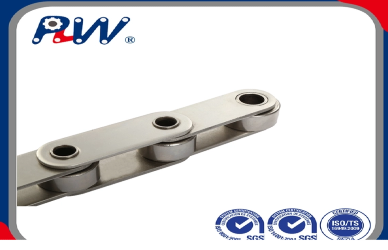
Stainless Steel Chains
1.Definition and Features
Stainless steel chains are constructed from high-quality stainless steel, providing excellent corrosion resistance and the ability to withstand extreme temperatures. These chains are known for their strength and reliability in tough environments, making them ideal for applications where durability and performance are crucial. The resistant properties of stainless steel make it a preferred material in industries exposed to moisture, chemicals, or high heat.
2.Applications
Stainless steel chains are widely used in industries such as food processing, pharmaceuticals, and chemical handling, where hygiene, corrosion resistance, and temperature tolerance are paramount. They are also common in marine environments and heavy-duty industrial applications that require a robust and long-lasting chain system. These chains are well-suited for conveying, automated systems, and material handling in industries that face harsh environmental conditions.
3.Advantages
The primary benefits of stainless steel chains include their corrosion resistance, durability, and performance under high-temperature conditions. Stainless steel chains are ideal for environments where other materials would corrode or degrade, such as wet, chemical, or high-heat environments. They also offer long-lasting performance, reducing the frequency of maintenance or replacement, which can be especially beneficial for industries with continuous operations. Additionally, their strength makes them capable of handling heavy loads while maintaining reliable performance.
4.Limitations
While stainless steel chains offer numerous advantages, they come at a higher cost compared to other types of chains, such as plastic modular or carbon steel chains. The initial investment for stainless steel is higher, which may make it less ideal for light-duty applications where cost is a more significant factor. However, the long-term durability and resistance to harsh conditions typically justify the higher upfront cost in demanding industrial environments.
FAQs
Q1: What are the benefits of using stainless steel conveyor chains in food processing?
Answer: Stainless steel conveyor chains are highly corrosion-resistant, ensuring long-term durability in moist and high-temperature environments, making them ideal for food processing facilities. They are also easy to sanitize, ensuring hygiene and compliance with stringent health and safety regulations. Additionally, their resistance to rust and abrasion means they can withstand the wear and tear from handling food products, making them a reliable choice for continuous operation in food handling and packaging.
Q2: Can roller chains be used for heavy-duty material handling?
Answer: Yes, roller chains are suitable for moderate to heavy-duty material handling. They are commonly used in various industries such as automotive, mining, and construction. However, they may not be the best option for extremely high-stress environments or applications that involve excessive loads or exposure to harsh chemicals. For applications requiring higher strength or corrosion resistance, other chain types like welded steel or stainless steel may be more suitable.
Q3: What is the lifespan of a welded steel conveyor chain?
Answer: Welded steel chains are known for their long lifespan and high durability, especially when used in demanding environments such as mining or cement plants. With proper maintenance—including regular lubrication and cleaning—these chains can last for many years. Their ability to withstand abrasion, heavy loads, and harsh conditions makes them a reliable option for industries that require long-term, robust performance.
Q4: How do I determine which conveyor chain type is right for my application?
Answer: To determine the appropriate conveyor chain type, consider key factors like operating conditions (temperature, moisture, exposure to chemicals), load capacity, and the specific requirements of your application (e.g., speed, flexibility, hygiene). For high-load systems, welded steel or stainless steel may be necessary, while plastic modular chains might be ideal for applications where easy cleaning is a priority. Always consult with industry experts or chain suppliers to ensure you select the best option for your specific needs.
Conclusion
To wrap up, choosing the right conveyor chain for your industrial application is crucial for ensuring optimal performance and efficiency. Different types of conveyor chains, such as roller chains, welded steel chains, plastic modular chains, and stainless steel chains, offer unique benefits that make them suited for specific tasks. While roller chains provide cost-effective solutions for moderate-duty applications, welded steel chains are best for handling heavy loads and extreme conditions. Plastic modular chains are ideal for hygienic environments, and stainless steel chains excel in corrosion resistance and durability. It's essential to match the right chain to your specific operational needs, considering factors such as load capacity, environmental exposure, and maintenance requirements. By selecting the appropriate chain, you ensure reliable, long-term performance and cost-effectiveness for your equipment and operations.

 Español
  English
  العربية
  Français
  Русский
  Português
  Deutsch
  italiano
  日本語
日本語  한국어
한국어  Nederlands
  Tiếng Việt
  ไทย
ไทย  Polski
  Türkçe
  አማርኛ
አማርኛ  ພາສາລາວ
  ភាសាខ្មែរ
  Bahasa Melayu
  ဗမာစာ
ဗမာစာ  தமிழ்
தமிழ்  Filipino
  Bahasa Indonesia
  magyar
  Română
  Čeština
  Монгол
  қазақ
қазақ  Српски
  हिन्दी
  فارسی
فارسی  Kiswahili
  Slovenčina
  Slovenščina
  Norsk
Norsk  Svenska
  українська
  Ελληνικά
  Suomi
Suomi  Հայերեն
  עברית
עברית  Latine
  Dansk
Dansk  اردو
اردو  Shqip
Shqip  বাংলা
বাংলা  Hrvatski
  Afrikaans
  Gaeilge
  Eesti keel
  Māori
Māori  සිංහල
සිංහල  नेपाली
  Oʻzbekcha
  latviešu
  অসমীয়া
  Aymara
  Azərbaycan dili
  Bamanankan
  Euskara
  Беларуская мова
  भोजपुरी


