Product Description
In the high-speed world of industrial transmission, the sprocket is where the power meets the path. When a standard sprocket begins to wear, it doesn't just fail; it destroys your chain and increases your energy bills. Our ISO Standard Tooth Surface Hardened Sprockets are designed to prevent this mechanical decay. When you handle our sprocket, you’ll immediately notice the crisp, clean edges of the hobbed teeth and the deep, dark hue of the induction-hardened surface—a visual and tactile testament to professional heat treatment. It feels substantial, heavy, and perfectly balanced in your hands, ready to be the heart of a rhythmic, high-performing drive.
We were inspired by the daily struggles of maintenance engineers who are tired of the "clatter and grind" of worn drive systems. This sprocket tells a story of precision. Imagine an assembly line that operates so smoothly you can only hear the faint, rhythmic pulse of the motor. That is the experience we provide. By hardening only the teeth while keeping the sprocket body ductile, we’ve created a component that can handle the massive "bite" of a high-torque motor without the risk of shattering under shock loads. It is a product born from the pursuit of silent efficiency, transforming a simple metal gear into a high-performance engine of productivity that keeps your operations moving without hesitation.
Product Features and Highlights
Our tooth-hardened sprockets are defined by three core manufacturing advantages that ensure they outperform generic alternatives in high-stress industrial environments:
Induction Tooth Hardening: We utilize localized high-frequency induction heating to harden only the contact surface of the teeth. This creates a wear-resistant "shell" that protects against the abrasive forces of the chain rollers, while the internal core of the sprocket remains tough to absorb the energy of sudden starts and stops.
Precision Hobbing & Profile Accuracy: Every tooth is cut using advanced CNC hobbing technology. This ensures that the pressure angle and pitch are perfectly consistent, allowing for a smooth "entry and exit" of the chain rollers. This precision eliminates the friction that leads to heat buildup and power loss.
Anti-Corrosive Surface Finishes: Beyond hardening, we offer black oxide, zinc plating, or chemical nickel coatings. These treatments prevent the surface pitting and rust that can act as an abrasive, grinding down your expensive roller chains over time.
Balanced Concentricity: Our sprockets are turned and bored in a single setup on CNC lathes. This ensures that the bore is perfectly concentric to the pitch circle, eliminating the "wobble" that causes uneven chain tension and bearing failure.
Manufacturing Mastery & Quality Control
At our facility, quality is a measurable science. Adhering to the E-E-A-T framework, we ensure that every sprocket is a product of professional engineering and rigorous laboratory testing.
Material Sourcing & Testing: We use certified C45 (1045) medium-carbon steel, verifying the chemical composition for optimal manganese and carbon levels. This ensures that the induction hardening process achieves a uniform HRC depth without making the teeth brittle.
Automated Induction Hardening: Our computerized hardening machines control the temperature and quench timing to within half a second. This precision ensures that the root of the tooth is properly hardened, preventing "hooking" wear patterns that can trap the chain.
Tooth Geometry Inspection: We utilize 3D CMM (Coordinate Measuring Machine) inspections on every production batch to verify that the tooth profile matches the theoretical ISO 606 curve. This ensures your drive system operates with the highest possible mechanical efficiency.
Final Dynamic Balancing: For high-speed applications, we offer dynamic balancing services. This removes the vibrations that lead to premature wear in gearbox bearings and reduces the overall decibel levels on your production floor.
Customization & Hub Configuration Options
We recognize that no two industrial systems are identical. Our "Made-To-Order" service is designed to provide a "drop-in" solution that saves you hours of onsite machining and installation time.
Hub Configurations (Type A, B, C): Whether you need a simple flat plate sprocket (Type A), a single hub (Type B), or a double hub (Type C), we can provide the specific geometry required for your shaft spacing and load requirements.
Finished Bore Services: We can deliver sprockets with finished bores, including precision keyways and set-screw holes. This allows your team to move straight to installation without needing a local machine shop.
Taper Bushed Sprockets: For easy removal and maximum shaft security, we offer sprockets bored for standard 1008 through 5050 taper bushes, facilitating a secure "shrink-fit" on your drive shafts.
Special Tooth Counts: From small-diameter idlers to large-diameter drive wheels, we can hob any tooth count required for your specific gear ratio and speed requirements.
Versatile Application Dimensions
The ISO Standard Tooth Hardened Sprocket is a universal component found in almost every sector of high-output production. Its rugged design makes it indispensable for:
Automated Packaging Lines: Providing the precise, skip-free indexing required for high-speed filling, labeling, and boxing machinery.
Industrial Conveyor Systems: Driving heavy-duty belts in logistics and distribution centers where 24/7 reliability is the only acceptable metric.
Agricultural Drive Trains: Standing up to the dust, grit, and high torque requirements of harvesters, seeders, and elevators in the field.
Food & Beverage Processing: When manufactured in 304 stainless steel, our sprockets provide the hygiene and corrosion resistance needed for wash-down environments and high-heat ovens.
 Chain Wheel Catalog.pdf
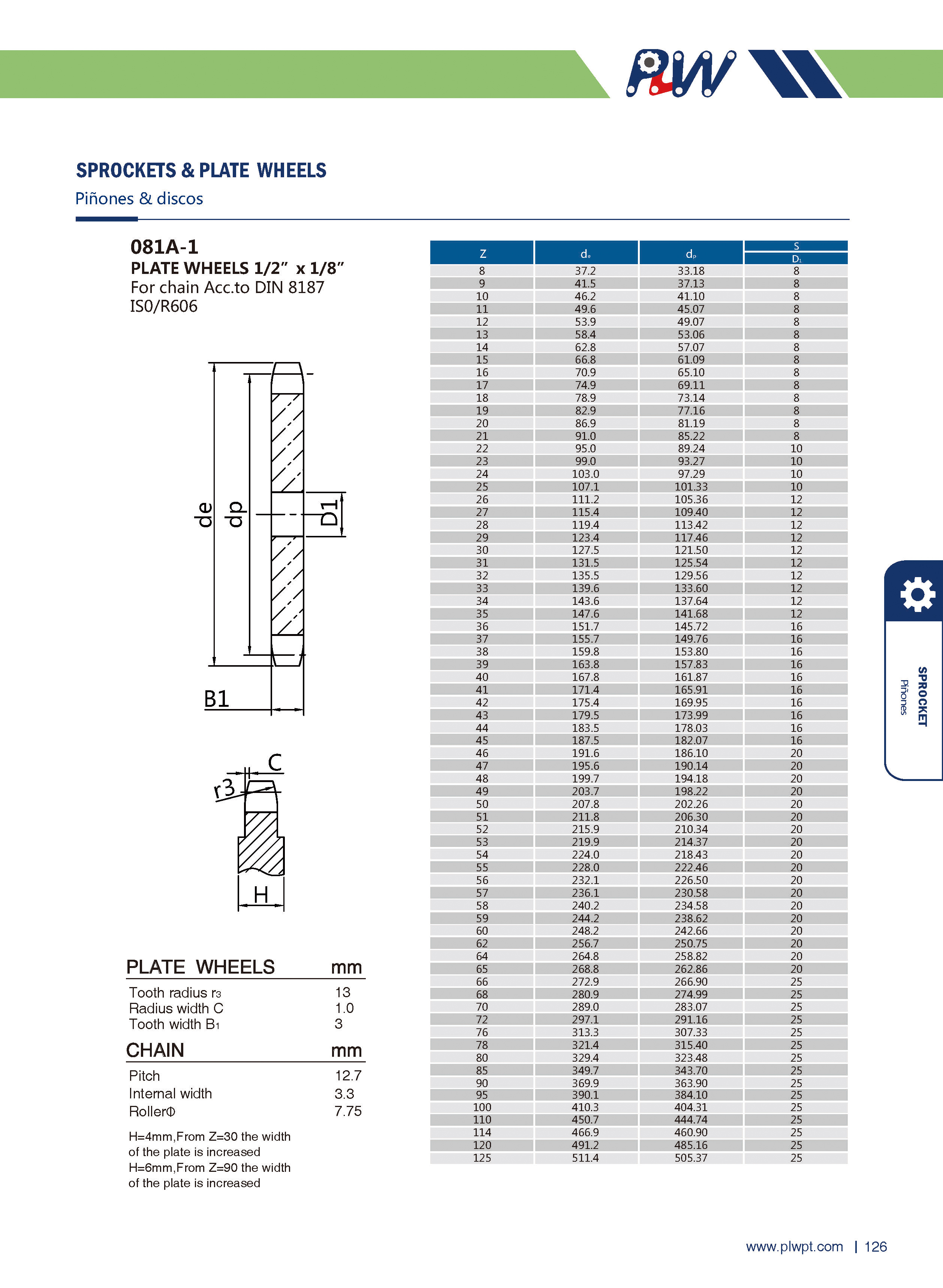
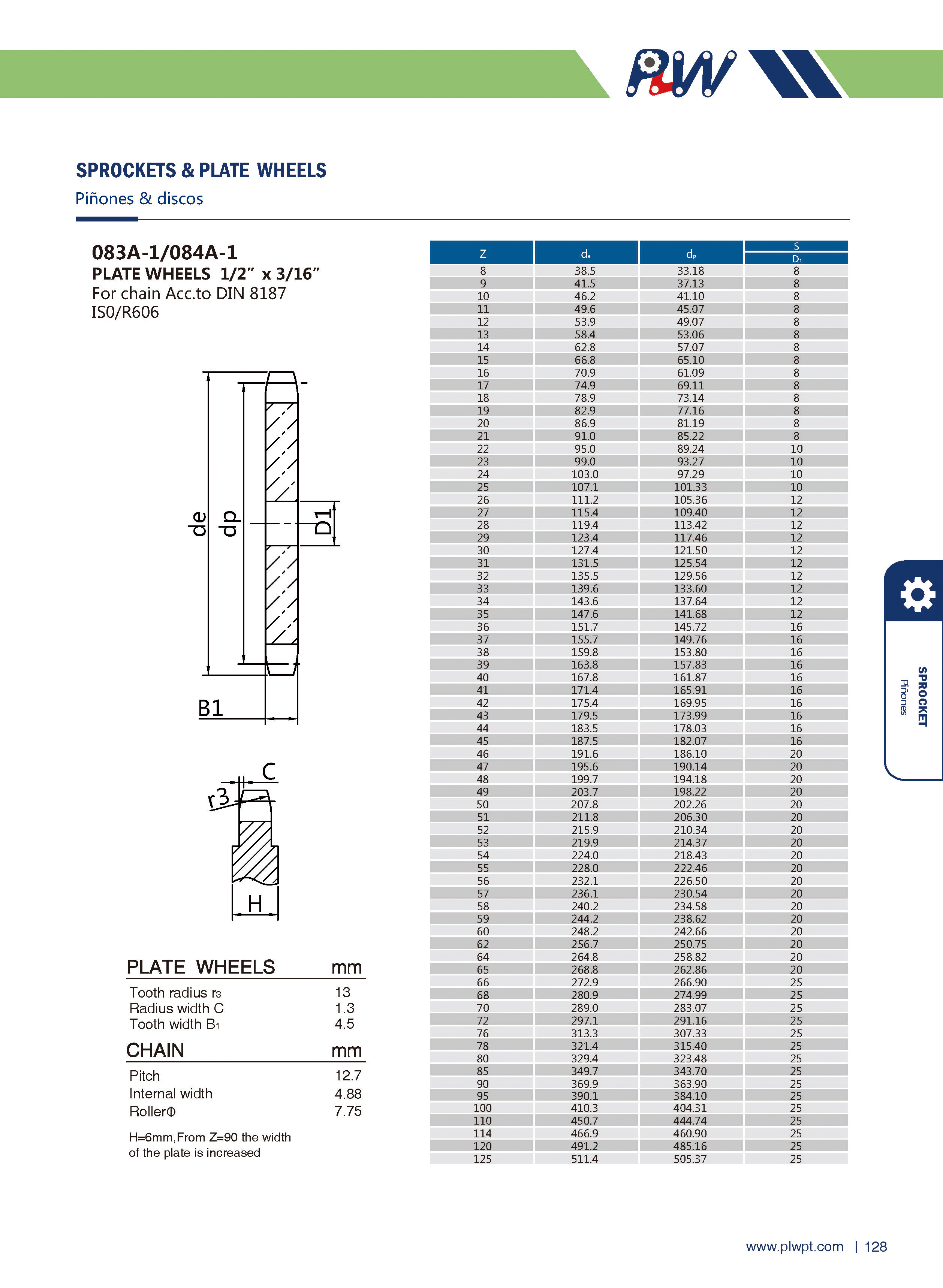
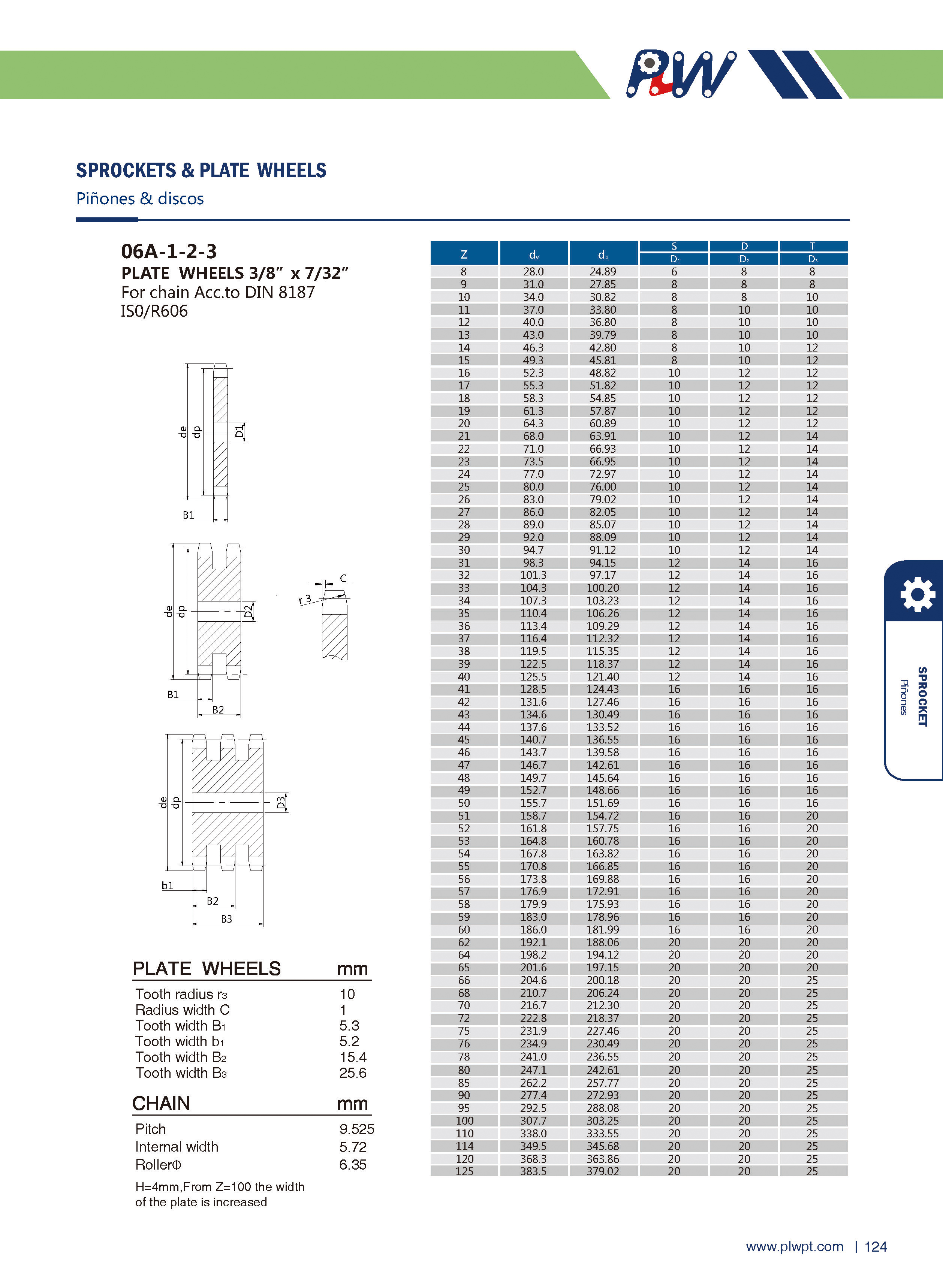
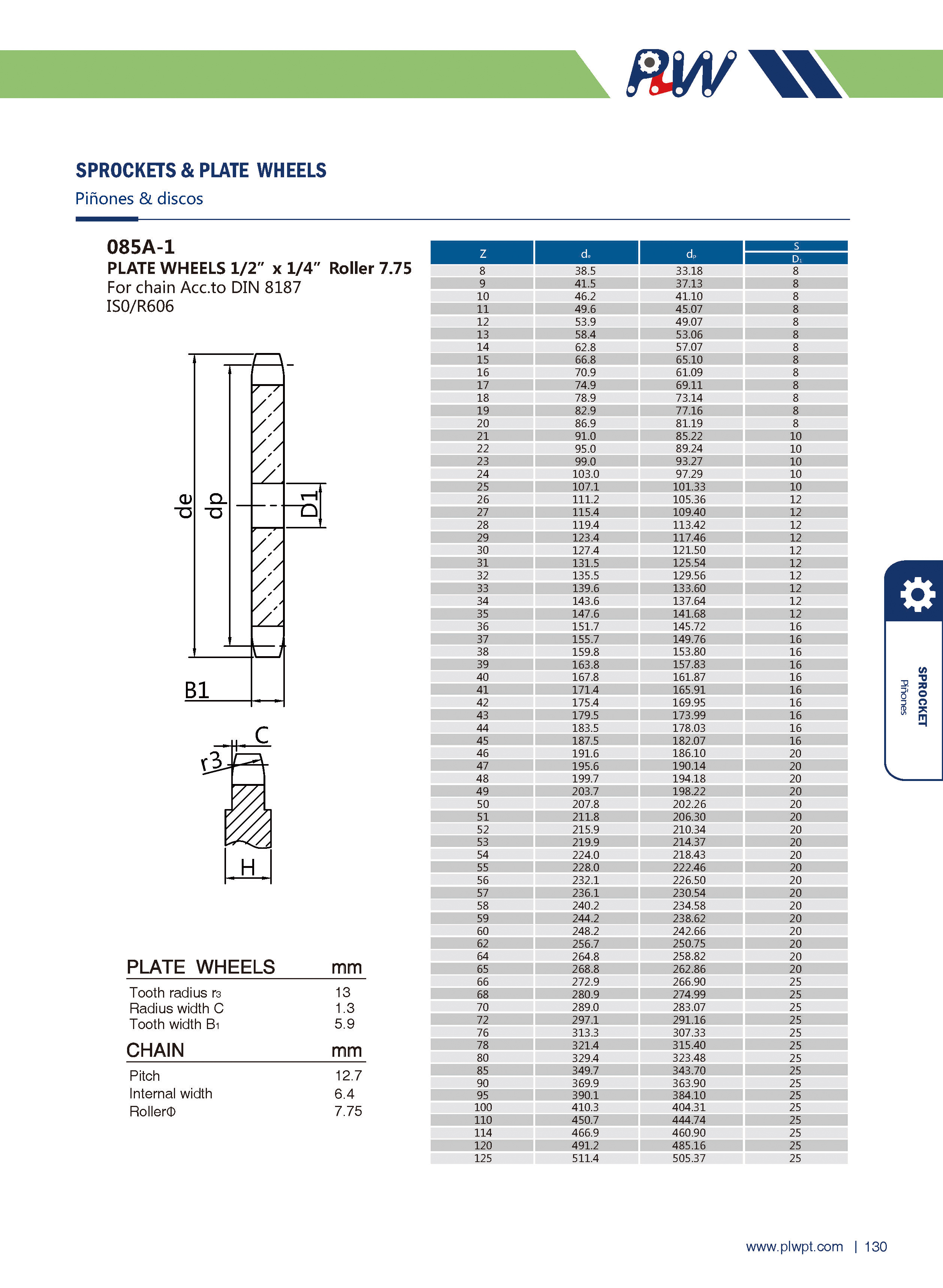
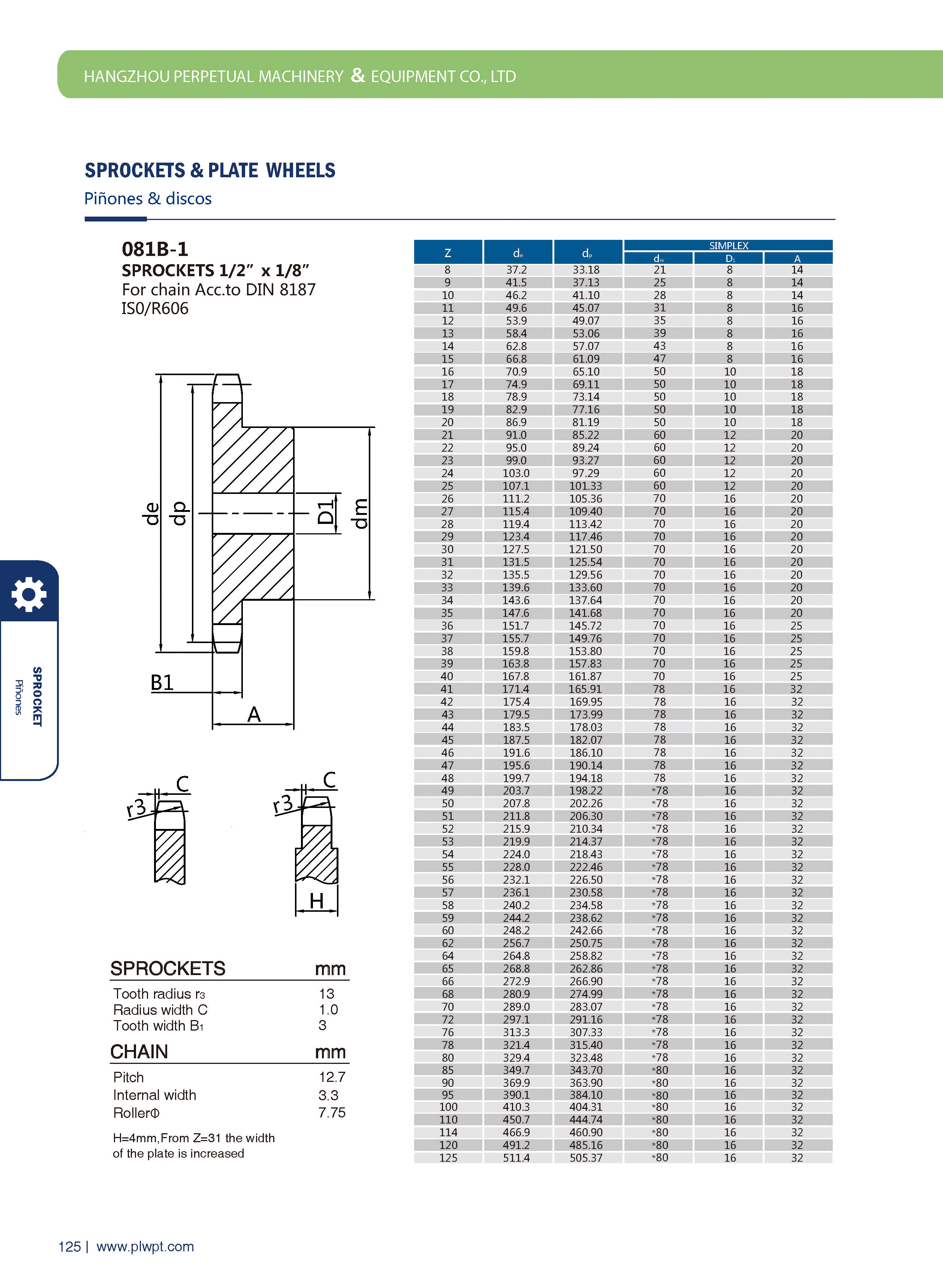
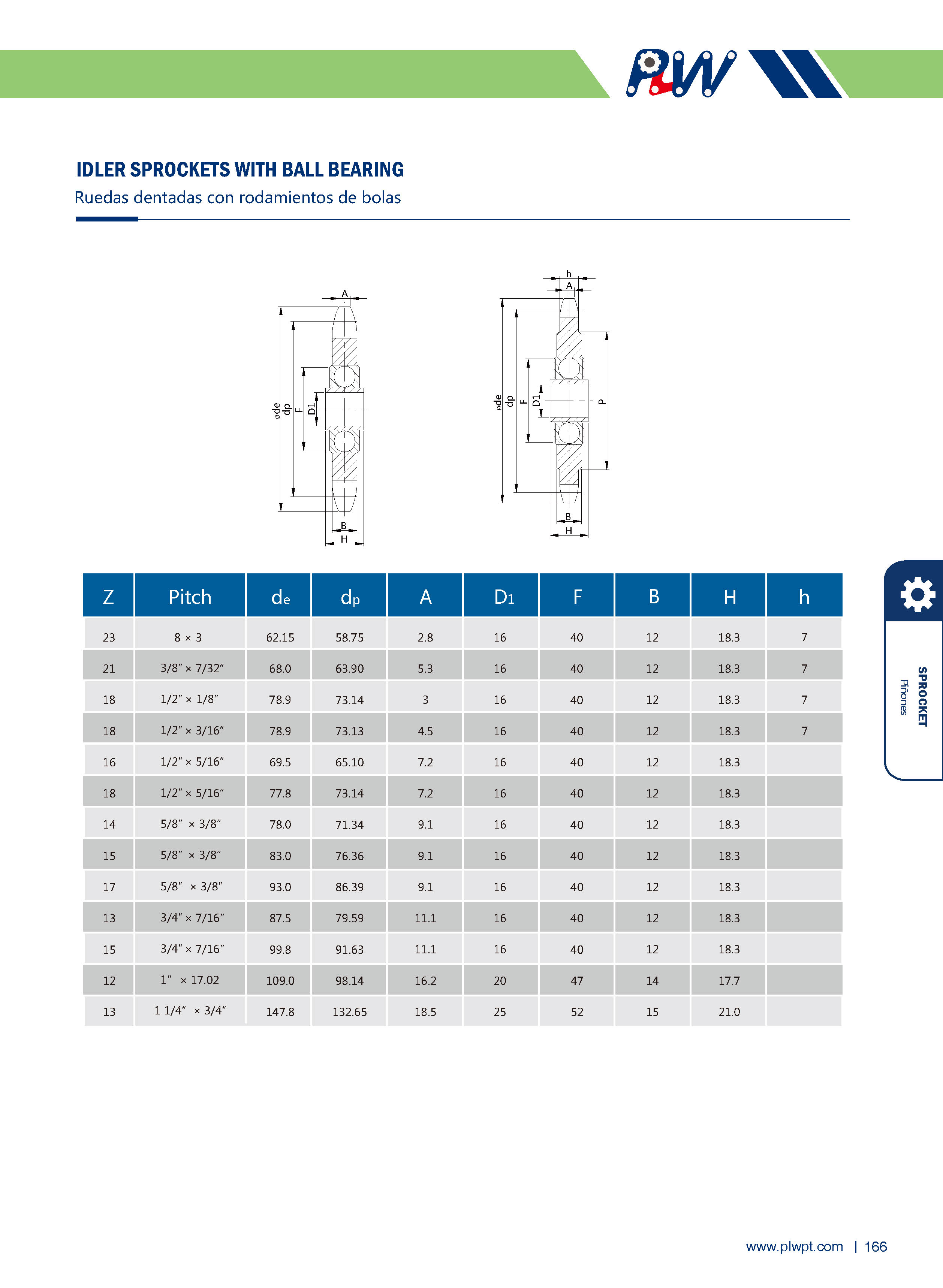
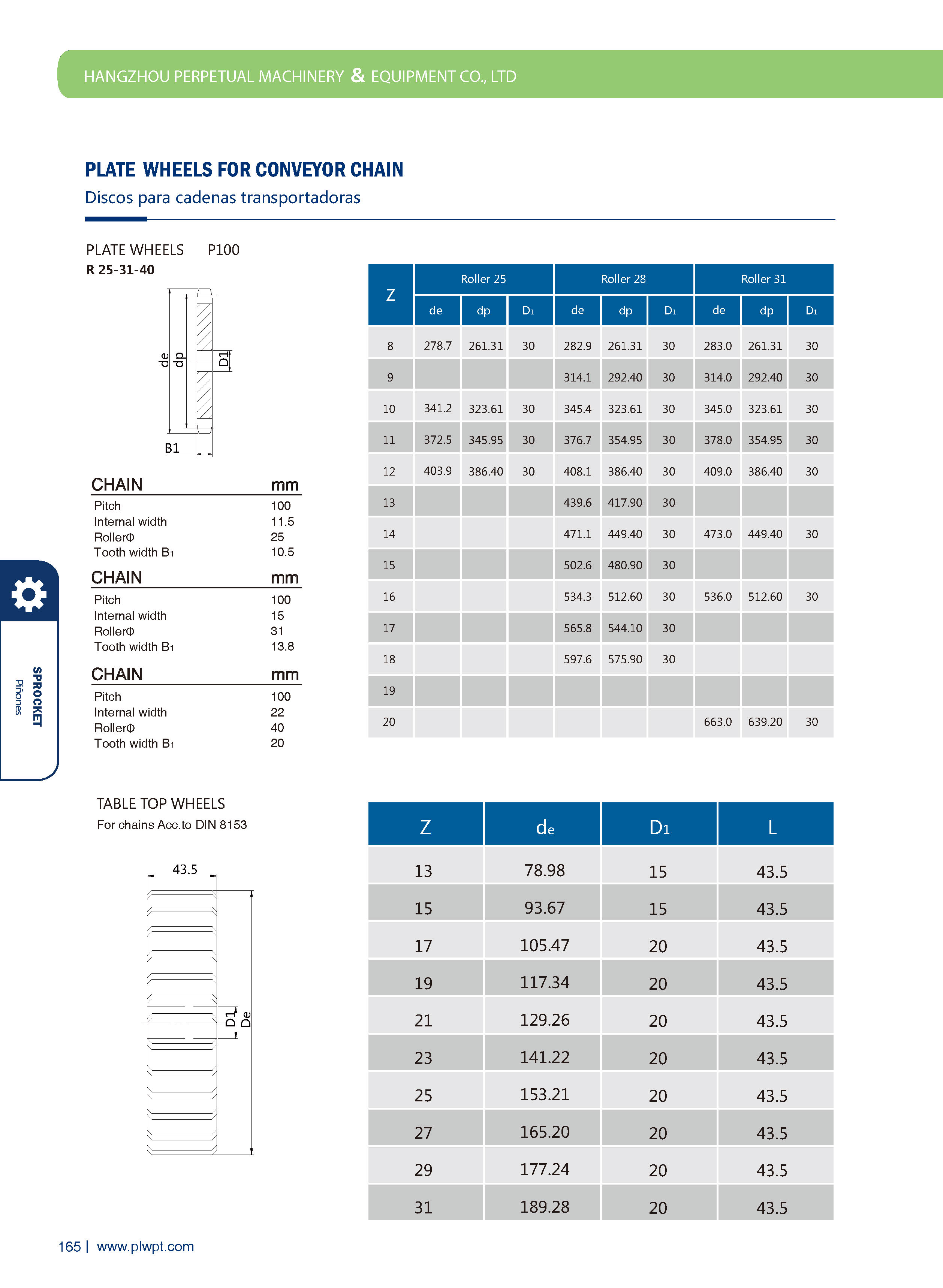
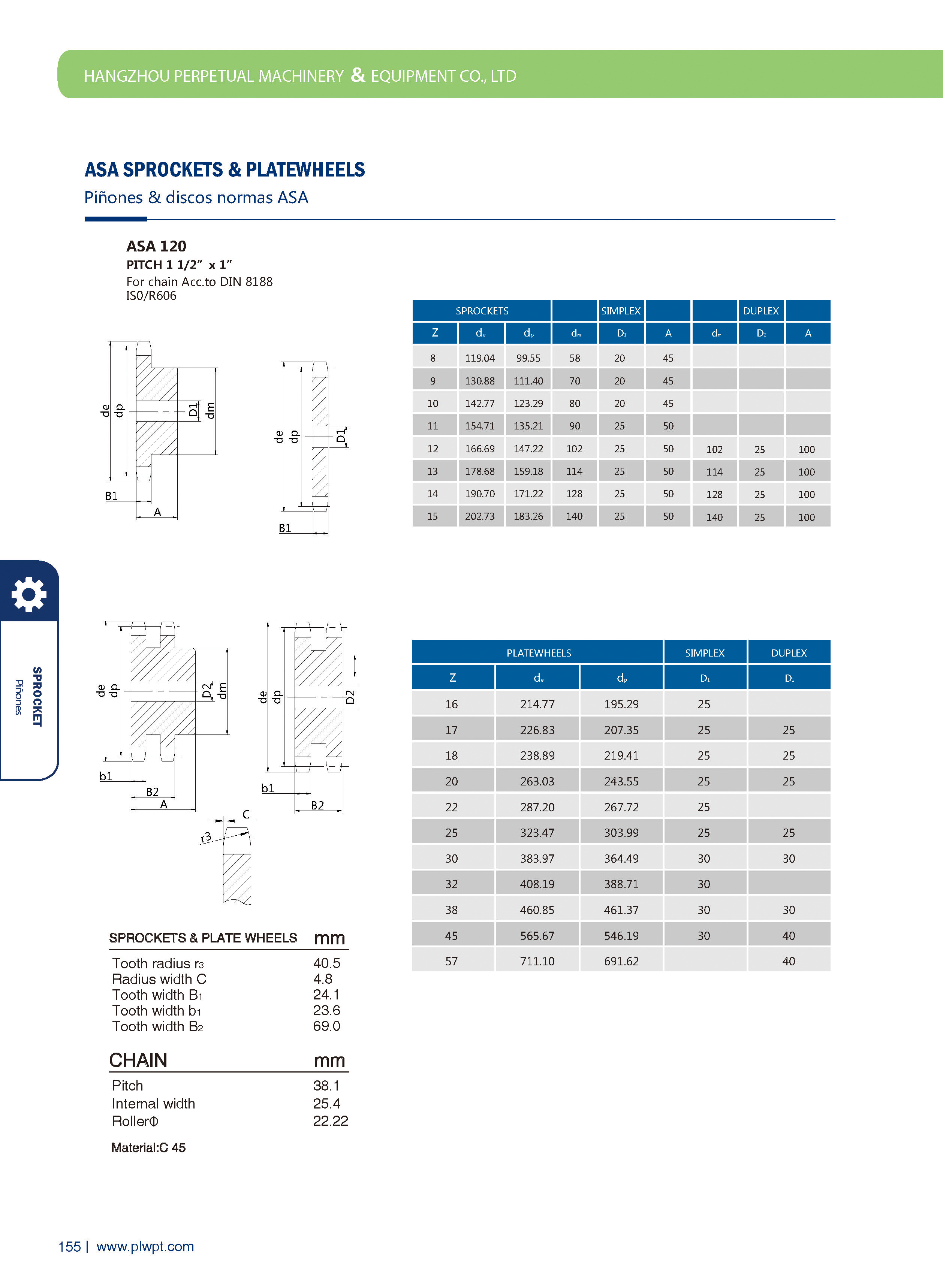
Technical Specifications & Parameter Table
FAQ: Frequently Asked Questions
Q: Why is tooth hardening so important?
A: Most sprocket wear occurs at the tooth face due to the friction of the chain rollers. Without hardening, the metal is quickly "carved away," leading to a hooked profile that destroys the chain. Induction hardening creates a barrier that resists this abrasive action.
Q: Can I use a hardened sprocket with a standard (non-hardened) chain?
A: Yes, and it is actually recommended. The sprocket teeth are the most expensive part of the drive to replace. By making the sprocket harder than the chain rollers, you ensure that the sprocket maintains its profile, which in turn protects the chain from uneven loading.
Q: How do I know if I need a Type B or Type C hub?
A: Type B (single hub) is the industry standard for most drive shafts. Type C (double hub) is used when the sprocket needs to be perfectly centered on a shaft or when additional stability is required for wider, multi-strand chains.
Q: What is the lead time for a custom-bored sprocket?
A: Because we have in-house CNC machining centers, we can typically finish a custom bore, keyway, and hardening process within 3 to 5 business days, ensuring your machinery is back in operation as quickly as possible.
Would you like me to help you generate a "Sprocket Wear-Pattern Identification Guide" to help your maintenance team decide exactly when it's time to replace their drive components?

 Español
  English
  العربية
  Français
  Русский
  Português
  Deutsch
  italiano
  日本語
日本語  한국어
한국어  Nederlands
  Tiếng Việt
  ไทย
ไทย  Polski
  Türkçe
  አማርኛ
አማርኛ  ພາສາລາວ
  ភាសាខ្មែរ
  Bahasa Melayu
  ဗမာစာ
ဗမာစာ  தமிழ்
தமிழ்  Filipino
  Bahasa Indonesia
  magyar
  Română
  Čeština
  Монгол
  қазақ
қазақ  Српски
  हिन्दी
  فارسی
فارسی  Kiswahili
  Slovenčina
  Slovenščina
  Norsk
Norsk  Svenska
  українська
  Ελληνικά
  Suomi
Suomi  Հայերեն
  עברית
עברית  Latine
  Dansk
Dansk  اردو
اردو  Shqip
Shqip  বাংলা
বাংলা  Hrvatski
  Afrikaans
  Gaeilge
  Eesti keel
  Māori
Māori  සිංහල
සිංහල  नेपाली
  Oʻzbekcha
  latviešu
  অসমীয়া
  Aymara
  Azərbaycan dili
  Bamanankan
  Euskara
  Беларуская мова
  भोजपुरी


