If you’re selecting gears for power transmission systems, one thing that can make a difference between a reliable transmission system and an unreliable one is the gear module. Understanding gear modules can help you choose components that can handle several operating conditions.
In this article, you’ll learn what a gear module is, how it is calculated, and how it affects the transmission strength.
Definition of Gear Module
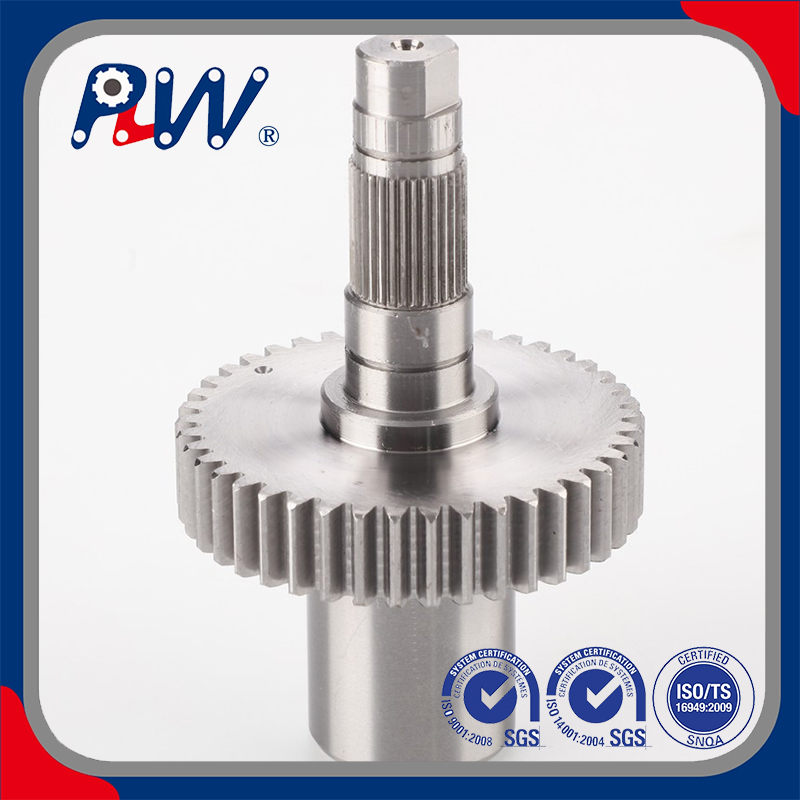
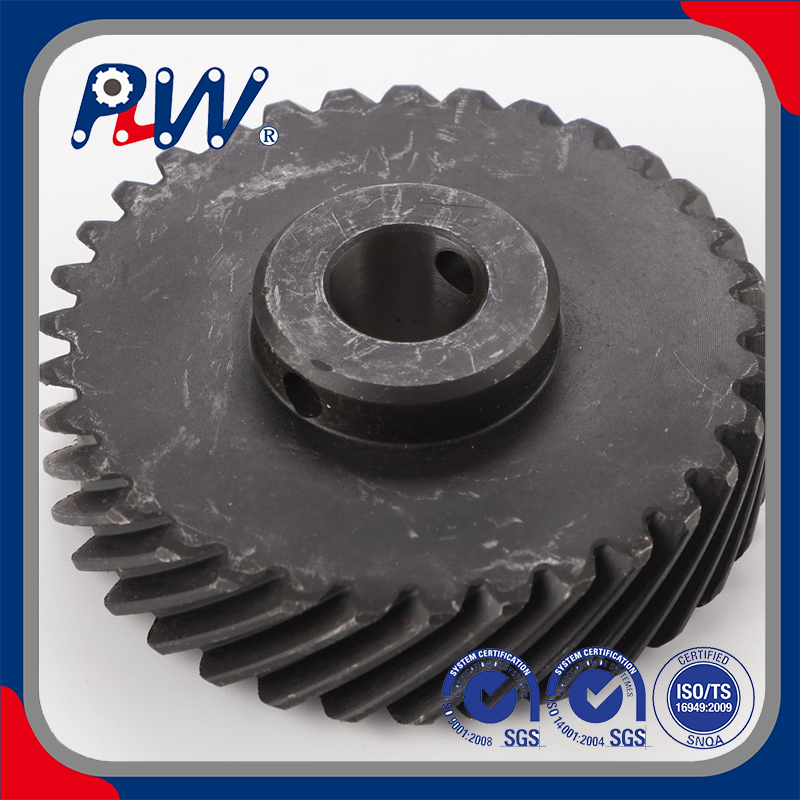
When we talk about the gear module, we’re simply talking about the size of each gear tooth. A larger gear module means larger, thicker gear teeth. A smaller module means finer, smaller teeth.
How is Gear Module Calculated?
The simple formula for calculating gear module is as follows:
Module (m) = Pitch diameter (d) ÷ Number of teeth (z)
Here’s an example: Let’s assume a gear has a pitch diameter of 120mm and the number of teeth is 40. The module will be 120 ÷ 40 = 3 mm
Thus, every tooth of the gear follows the dimensions of a module 3 gear. This is what manufacturers use to produce interchangeable gears that mesh correctly.
Standard Gear Module Sizes
The table below shows some common standard gear module sizes
Fine Modules
Medium Modules
Heavy-Duty Modules
0.5
2
8
0.8
2.5
10
1
3
12
1.25
4
16
1.5
5
20
1.75
6
25
Small gear modules are used in medical equipment, automation systems, and robotics. Large gear modules, on the other hand, are used in mining equipment, steel plants, heavy conveyors, and construction machinery.
Why Is Gear Module Important in Gear Design?
Let’s talk about how gear modules affect gear design.
Determines Tooth Dimensions
One important way gear module affects gear design is the shape of each gear's teeth. As the module increases, the teeth become thicker. This is what gives the gear teeth more material to resist the force that is created during power transmission. Thus, when exposed to stress, thicker teeth do not easily bend or break. However, smaller modules produce thinner teeth. Although they do not have maximum strength, they produce smooth operation.
The gear module also determines the height of each tooth. A larger module creates taller teeth that allow gears to engage properly. On the other hand, a smaller module creates shorter teeth that provide smooth operation.
Furthermore, the gear module also affects the gear tooth root. A larger module creates a thicker tooth root that makes the gears able to resist mechanical stress.
Influences Gear Size
Increasing the gear module increases the gear’s pitch diameter and overall size. With larger gears, your equipment experiences greater load-carrying capacity and improved tooth strength. This is why they are used in heavy-duty equipment such as mining or agricultural systems. However, these large gears need more raw material and are heavy in weight. Thus, they may not be suitable for applications that require precise positioning.
Additionally, a large gear module may not be ideal if your machine has limited space, and choosing a smaller module when your space can take up more can reduce the gear’s strength. Finding the right balance will help you maximize the gear’s performance.
Ensures Proper Gear Meshing
Two gears can only engage properly if they have the same module. Even if they have the same diameters or numbers of teeth, if they don’t have the same module, they will not mesh properly. Using gears of the same module provides smooth power transmission, reduced vibration, and longer gear life.
If you use gears with mismatched gear modules, your system could experience excessive gear noise, increased vibration, and rapid tooth wear.
Affects Manufacturing Complexity and Cost
A large gear module means that more raw material will be used to manufacture it. And as more materials are needed, it increases production costs. Smaller modules use less material and can be cost-effective if you’re using them for lightweight equipment.
Gear module also affects how a gear is manufactured. Larger gear modules require heavier cutting tools and longer machining cycles because more material needs to be removed. However, smaller gear modules require less material and produce a fine-tooth profile.
How Does a Gear Module Affect Transmission Strength?
When we talk about transmission strength, we talk about how much torque and load a gear can transmit without failure. Below is a list of how gear modules affect transmission strength:
Stronger Gear Teeth
As the module of a gear increases, the gear tooth width increases, the tooth root becomes thicker, and tooth bending resistance improves.
Imagine trying to snap a thick wooden beam and, on another occasion, a thin stick. The thicker beam naturally withstands greater force. That’s exactly how gear teeth behave.
Thicker teeth distribute stress more effectively. Thus, they do not crack or break easily under heavy loads. No wonder they are used in industries like mining, steel manufacturing, and heavy construction that often rely on large-module gears.
Higher Load-Carrying Capacity
As the gear module increases, more material supports each tooth. This also means the likelihood of gear teeth deforming decreases. Furthermore, there is higher torque in power transmission, and contact stress is reduced.
Thus, larger modules are used in applications that run non-stop or experience heavy startup loads. For example, industrial conveyors transporting bulk materials need gears that can handle constant high torque without premature failure.
Better Resistance to Tooth Bending
Tooth bending is one of the most common causes of gear failure. Every time a gear rotates, each tooth experiences repeated bending forces. Now imagine the gear rotating millions of times; these forces can eventually create fatigue cracks.
A larger module reduces bending stress by increasing the thickness of the tooth root—the area most susceptible to fatigue. This significantly improves the gear's fatigue life and helps reduce unexpected downtime.
Improved Wear Resistance
Wear occurs because instead of the gear teeth engaging properly, they slide against each other under load. Smaller teeth concentrate force over a smaller contact area, increasing contact pressure.
Gears with a larger module distribute the same load across the surface. As a result, there is reduced mechanical stress, lower contact pressure, reduced fatigue, and extended lifespan of the equipment.
If your equipment operates around the clock, improved wear resistance can significantly reduce maintenance costs.
Greater Shock Load Resistance
Not every industrial application runs smoothly. Some applications experience sudden startups and emergency stops. Others work on different loads and experience vibrations.
Gears with a large module are much better at absorbing these sudden forces. Their thicker teeth resist cracking and permanent deformation, making them ideal for crushers, excavators, mining machinery, and agricultural equipment.
Increased Reliability and Safety
When you use the right gear module, you improve the safety and reliability of your equipment. Instead of operating close to the gear’s maximum strength, choose gears with extra capacity so that they can handle unexpected operating conditions.
Doing this reduces maintenance and improves the system’s lifespan. It also leads to higher production efficiency.
Relationship Between Gear Module and Other Strength Factors
Although the gear module is critical in determining the strength of the gear, it doesn’t work alone. Here are other factors that affect it:
Module and Gear Material
There are common materials used for manufacturing gear, and each has an impact on the gear strength. Here are examples:
Carbon steel: Carbon steel is used for general industrial machinery because of its superior strength.
Alloy steel: Alloy steel gear is used for heavy-duty transmissions because of the strength it possesses to withstand stress.
Stainless steel: Stainless steel, although it doesn’t possess the same strength as carbon and alloy, offers corrosion resistance. Thus, it is used in food processing and marine equipment.
Cast iron and engineering plastics: Cast iron gears are used in low-speed machinery while engineering plastics are used in lightweight automation systems.
From the materials mentioned above, high-strength alloy steels combined with the correct module provide excellent fatigue resistance.
Module and Heat Treatment
Heat treatment improves surface hardness while maintaining a tough core. Common heat treatment methods include (1) carburizing, (2) nitriding, (3) induction hardening, and (4) through hardening. Proper heat treatment significantly increases wear resistance and extends gear life.
Module and Face Width
Face width determines how much tooth surface contacts the mating gear. A wider face spreads the transmitted load across more area, reducing stress and improving load capacity. Engineers often optimize face width together with the module for the best performance.
Module and Pressure Angle
Pressure angle influences how force is transferred between meshing gears. Common values include 20° and 25°. Higher pressure angles generally improve tooth strength but may increase bearing loads.
Module and Gear Tooth Profile
Most industrial gears use an involute tooth profile because it maintains a constant speed ratio, reduces sliding, improves efficiency, and enhances durability.
Choosing a well-designed tooth profile alongside the appropriate module helps to maximize transmission strength.
Gear Module Selection for Different Industrial Applications
Industrial Gearboxes
Industrial gearboxes help to transmit power smoothly while handling continuous loads over long operating hours. For most industrial gearboxes, medium- to large-gear modules are the preferred choice because they are strong, durable, and efficient.
Larger gear teeth provide greater resistance to bending and fatigue, allowing the gearbox to transmit high torque without premature wear. Choosing the right module helps ensure the gearbox operates smoothly, minimizes downtime, and delivers reliable performance throughout its service life.
Conveyor Systems
Conveyor systems often run continuously for long periods. As such, they need gears that are durable and do not easily bend to stress. For this reason, medium or large modules are used, as these provide strong teeth that can handle continuous operation with minimal wear.
If you select the right gear module, conveyor systems will experience improved load distribution, reduced tooth wear, lower maintenance frequency, and longer service life.
Agricultural Machinery
Agricultural equipment is used in very difficult terrain and demanding environments. These can place stress on gears. Because of these, the gear you select shouldn’t be based on load capacity alone. You should also consider how it resists shock and wear.
Agricultural machines use large gear modules to increase tooth strength and improve durability. These gears are better when it comes to absorbing sudden impacts without easily cracking or breaking.
Automotive Transmissions
Automotive transmissions require gears with high efficiency, low noise, and smooth operation. Thus, smaller gear modules are chosen to reduce weight, reduce noise, and enable precision in the manufacturing process. They also provide the needed strength required for the operation.
Robotics and Automation Equipment
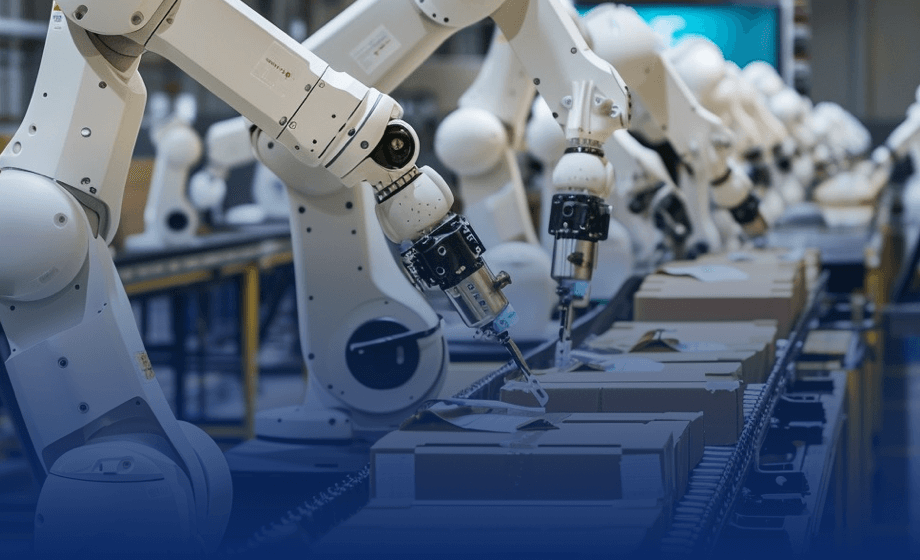
In robotics, using small gear modules is ideal. This is because these systems do not emphasize strength; they emphasize precision. Small gear modules can deliver such precise positioning, repeated motion, and smooth power transmission.
Mining and Construction Machinery
Mining and construction use heavy-duty equipment that experiences high loads and sudden starts and stops, as well as abrasive materials. Thus, using large gear modules provides thicker gear teeth that handle large torque and severe shock loading. In this case, large gear modules offer greater load-carrying capacity and better wear and impact resistance, as well as higher bending strength.
Conclusion
This article has shown how choosing the right gear module is crucial in ensuring that your power transmission system delivers excellent performance. One thing that is also important is choosing the right supplier. HANGZHOU PERPETUAL MACHINERY & EQUIPMENT CO., LTD. is a reputable manufacturer known for power transmission components, including gears.
What is the difference between a gear module and a pitch?
The main difference between a gear module and a pitch is this: a gear module is a standardized metric unit representing the tooth size, while the pitch is the actual physical distance between two adjacent teeth.
Does a larger module always mean a stronger gear?
Not necessarily. While a larger gear module increases the size and thickness of the gear teeth, the strength relies on other factors. A smaller module can be stronger than a larger module gear if it is made with superior material and advanced heat treatments.

 Español
  English
  العربية
  Français
  Русский
  Português
  Deutsch
  italiano
  日本語
日本語  한국어
한국어  Nederlands
  Tiếng Việt
  ไทย
ไทย  Polski
  Türkçe
  አማርኛ
አማርኛ  ພາສາລາວ
  ភាសាខ្មែរ
  Bahasa Melayu
  ဗမာစာ
ဗမာစာ  தமிழ்
தமிழ்  Filipino
  Bahasa Indonesia
  magyar
  Română
  Čeština
  Монгол
  қазақ
қазақ  Српски
  हिन्दी
  فارسی
فارسی  Kiswahili
  Slovenčina
  Slovenščina
  Norsk
Norsk  Svenska
  українська
  Ελληνικά
  Suomi
Suomi  Հայերեն
  עברית
עברית  Latine
  Dansk
Dansk  اردو
اردو  Shqip
Shqip  বাংলা
বাংলা  Hrvatski
  Afrikaans
  Gaeilge
  Eesti keel
  Māori
Māori  සිංහල
සිංහල  नेपाली
  Oʻzbekcha
  latviešu
  অসমীয়া
  Aymara
  Azərbaycan dili
  Bamanankan
  Euskara
  Беларуская мова
  भोजपुरी