For procurement and maintenance teams, receiving out-of-spec or damaged drive components creates immediate operational bottlenecks. You need reliable components ready for immediate action to maintain peak production levels. Industrial sprockets are precision-machined, heavy-duty parts. Despite their rugged applications within heavy machinery, they remain highly vulnerable to transit damage. Moving components between the distant factory floor and your local facility exposes them to serious environmental and physical risks. These inevitable hazards include rapid rust formation, subtle micro-abrasions, and severe impact deformation. Addressing these issues takes valuable time away from critical maintenance schedules. Understanding how manufacturers package standard sprockets involves far more than checking a simple logistics detail. It serves as a critical evaluation metric for your supply chain. You can use it to definitively gauge supplier reliability and verify their commitment to strict quality assurance protocols.
Key Takeaways
- Proper packaging guarantees that **standard sprockets** arrive ready for immediate installation without requiring costly remediation for rust or edge damage.
- High-moisture transit environments demand specific anti-corrosion barriers, especially for **durable cast iron sprockets for industrial** use.
- Protective crating and individual component wrapping are essential to maintaining exact **standard sprockets specifications** (e.g., bore tolerances and tooth profiles).
- Evaluating a vendor's shipping protocols is a fundamental step in vetting any long-term **standard sprockets supplier**.
The Hidden Cost of Inadequate Sprocket Packaging
Standardized drive components help manufacturing facilities reduce unexpected equipment downtime. Companies often order these replacement parts in bulk quantities. They store them in inventory to ensure rapid maintenance responses. However, if packaging fails during the extended transit period, the entire batch risks immediate rejection. Quality control (QC) inspections catch these surface flaws and dimensional variations very quickly.
Removing surface rust takes significant physical effort and specialized chemical solvents. Fixing minor transit impacts requires additional skilled labor hours from your machining department. These frustrating remediation steps delay critical installation schedules. They drive up overall maintenance expenses dramatically. You lose the financial benefit of buying components in bulk when your team must spend hours repairing them before use.
A clear "heavy-but-fragile" paradox exists within power transmission engineering. Engineers design these steel parts for high-torque industrial environments. They handle massive loads during daily operation. However, the precision-machined teeth and carefully honed bore channels remain surprisingly fragile outside of their operational assembly. They are highly susceptible to micro-deformations. Dropping them on a concrete warehouse floor causes severe structural issues. Allowing them to strike directly against other metal parts during freight transport creates hidden flaws. These invisible flaws often lead to premature chain failure later.
Best Practices for Incoming Quality Control
- Inspect wooden crates immediately for broken structural slats or loose nails.
- Check the bottom of cardboard boxes for oil leaks or moisture saturation.
- Quarantine any sprockets showing surface rust until a senior engineer approves them.
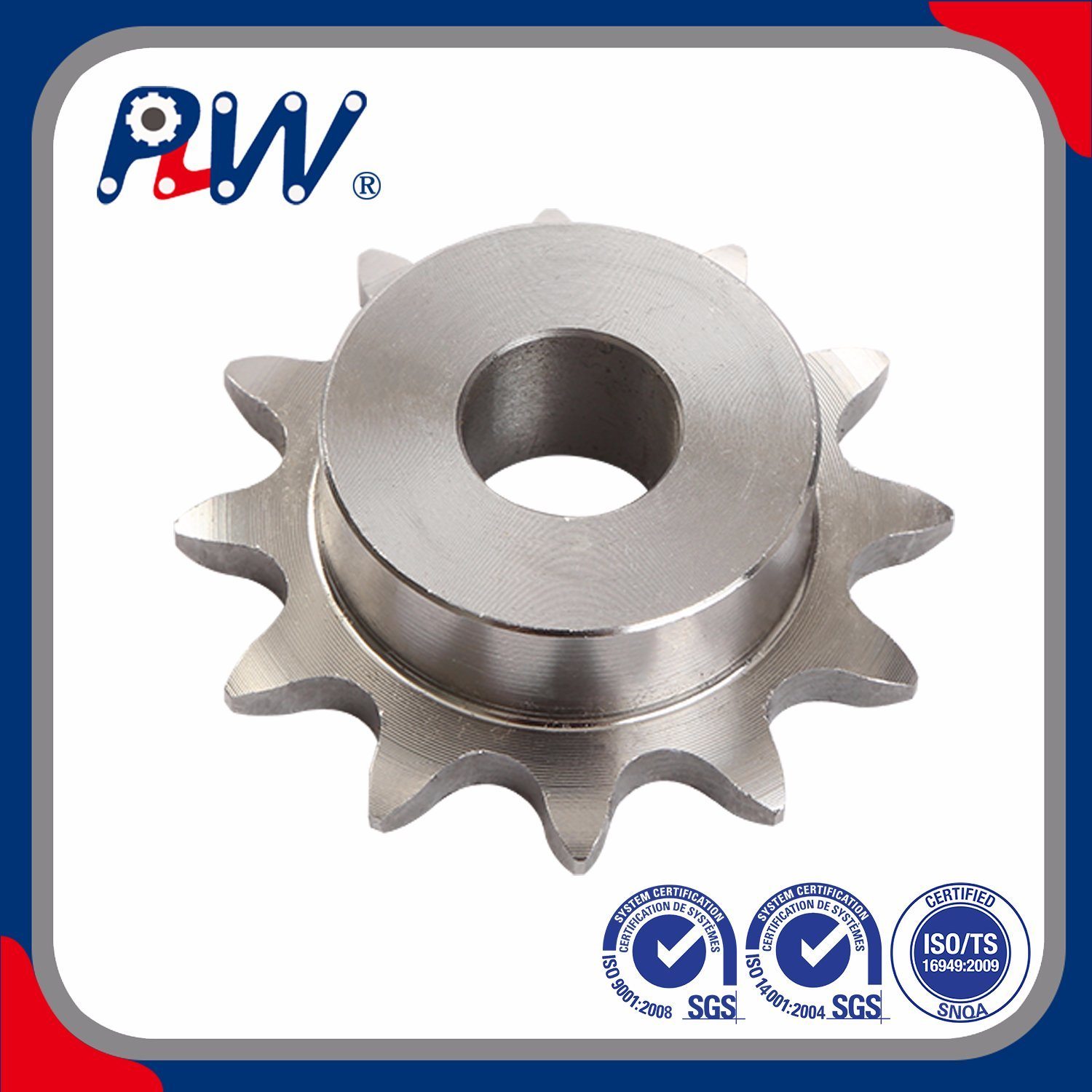
Common Transit Threats to Durable Cast Iron Sprockets for Industrial Use
Moving heavy, precision-machined components across the globe introduces several severe environmental hazards. Logistics teams must recognize these distinct threats early in the supply chain process to prevent sudden failures.
- Oxidation and Moisture Ingress
Manufacturers often use cast iron and high-carbon steel for power transmission parts. These strong metals are inherently highly susceptible to flash rusting. Maritime shipping presents extreme moisture challenges due to salty ocean air. Fluctuating humidity levels in non-climate-controlled freight containers also accelerate rapid corrosion. Heavy condensation forms inside containers during temperature swings. Therefore, durable cast iron sprockets for industrial applications need highly specific moisture barriers to survive the journey intact. - Metal-to-Metal Abrasion
Bulk shipping often lacks proper internal container dividers. This careless omission causes loose components to grind aggressively against one another during transit vibrations. The constant, repetitive friction compromises specialized surface hardening treatments. It physically wears down the blackened or zinc-plated coatings. Over time, this rubbing ruins the exact pitch diameter required for smooth chain engagement. - Shock Loading and Impact
Forklift mishandling happens frequently in busy cross-docking terminals. Sudden load shifting inside a rapidly moving trailer causes severe blunt force trauma. Heavy pallets slam into each other. Such violent impacts lead to chipped sprocket teeth. They easily create out-of-round bores. These structural defects render the sprocket entirely useless for modern, high-speed chain drives. A compromised bore prevents smooth shaft installation.
Baseline Packaging Protocols: What Solutions Work?
Reliable industrial packaging requires a comprehensive, multi-layered approach. Good protocols combine chemical rust prevention and strong physical isolation. You should expect suppliers to follow recognized industrial packaging standards.
Anti-corrosion treatments establish the very first defense line. Historically, facilities applied thick rust-preventive oils or sticky Cosmoline grease before wrapping parts. These older methods work well but require intensive cleaning upon arrival. Modern, better solutions involve VCI (Volatile Corrosion Inhibitor) bags or treated wrapping paper. VCI materials emit specialized protective compounds into the enclosed air. They form an invisible, molecular layer directly on the metal surface. This blocks moisture completely.
Physical isolation directly prevents harmful metal-to-metal contact. Thick cardboard dividers work well for medium-sized batches. Dense foam inserts protect smaller pitch sprockets effectively. Individual boxing provides excellent security for lightweight, precision items. Heavy-duty components absolutely require robust wooden crating. Professional shippers use custom blocking and bracing techniques. They secure the heavy parts to the crate base to prevent any dangerous load shifting.
Palletization standards ensure international customs compliance and safe handling. Vendors must use ISPM 15 compliant heat-treated pallets for overseas shipping. This standard prevents the spread of timber pests. Heavy-duty steel banding or modern PET strapping secures the load properly. Plastic edge protectors prevent these tight strapping bands from cutting into the cardboard boxes.
Packaging Protocol Comparison Guide
| Protection Type | Common Materials Used | Primary Transit Threat Addressed | Ideal Application Scenario |
| Chemical (Legacy) | Cosmoline, heavy grease, slushing oils | Extreme moisture, salt spray | Long-term outdoor storage |
| Chemical (Modern) | VCI bags, VCI paper, desiccant packs | Condensation, flash rusting | Just-in-time manufacturing, quick assembly |
| Physical (Light) | Corrugated cardboard, bubble wrap | Minor abrasions, scratching | Small pitch, lightweight components |
| Physical (Heavy) | ISPM 15 crates, structural blocking | Forklift impacts, load shifting | Large, high-torque cast iron parts |
Preserving Standard Sprockets Specifications During Transit
Maintaining exact factory dimensions guarantees a seamless machine installation. You simply cannot compromise on bore and keyway protection. Facilities use durable plastic inserts or protective center plugs. These physical guards ensure the central bore remains perfectly circular despite rough handling. They keep internal keyway edges sharp and burr-free. A damaged keyway prevents the setup technician from sliding the part onto the drive shaft.
Tooth profile integrity also demands focused logistical attention. Heavy corrugated edge-wrap protects the outer circumference effectively. Thick, high-density surrounds shield the critical pitch diameter. They defend complex tooth geometry against sudden blunt force trauma. If a single tooth suffers a deep impact dent, the roller chain will skip or bind during operation.
Quality assurance alignment brings this entire process together perfectly. Your incoming dock inspection should be a straightforward verification task. The physical condition of the sprocket at unboxing must perfectly match the engineering dimensional tolerances. You will find these exact measurements clearly detailed inside the manufacturer's standard sprockets specifications sheet. If outer dimensions drift during transit, the packaging method failed completely. Engineers use micrometers and specific go/no-go gauges to confirm these critical tolerances.
Common Mistakes in Specifications Verification
- Assuming a visually clean sprocket is dimensionally accurate without using calipers.
- Ignoring minor dents on the non-working face of the part, which can indicate unseen micro-fractures.
- Throwing away VCI packaging immediately instead of retaining it for short-term facility storage.
Evaluating Your Next Standard Sprockets Supplier
Selecting a reliable industrial vendor goes far beyond comparing simple unit pricing. A highly reputable standard sprockets supplier should be fully transparent regarding their logistics. They must share their packaging Standard Operating Procedures (SOPs) openly with your procurement team. You have the right to request photographic proof of their crating methods.
You should ask highly specific questions during the vendor vetting process:
- Do you utilize advanced VCI packaging for all cast iron and carbon steel components?
- What is your standard structural crating procedure for LTL (Less Than Truckload) shipments?
- How do you handle rapid defect claims related specifically to freight transit damage?
Implementation risk remains a serious factor in global procurement. Unusually cheap unit prices often hide hidden corners cut in packaging materials. Subpar wrapping leads directly to much higher freight damage rates. It inevitably drives up your internal QC rejection rates. Factor these potential operational losses into your complex vendor evaluation matrix carefully. A slightly more expensive part packaged perfectly saves money on delayed installations.
Conclusion
Packaging acts as the absolute final line of defense for your complex supply chain. The right protective measures prevent severe surface oxidation. They stop catastrophic physical damage in its tracks. They actively prevent dangerous specification drift between the factory and your assembly line.
Take decisive action today. Review your current incoming dock inspection logs thoroughly. Look specifically for any transit-related component defects. You will likely spot recurring freight damage trends. When selecting your next vendor, request their official packaging and freight preparation guidelines. Make sure you complete this critical review before issuing any binding purchase order.
FAQ
Q: Why is VCI packaging necessary for standard sprockets?
A: Volatile Corrosion Inhibitors (VCI) prevent moisture from reacting with exposed iron and steel. VCI molecules form an invisible, protective shield directly on the metal surface. This eliminates the need for messy, labor-intensive grease removal prior to installation. Parts arrive clean, dry, and immediately ready for your machinery.
Q: How can I tell if transit damage has affected my standard sprockets specifications?
A: You should use a precise caliper or a go/no-go gauge on the central bore channel. Check carefully for any out-of-round deformation. Perform a strict visual inspection of the outer teeth. Look for tiny burrs, chipped edges, or flat spots. These subtle defects accelerate chain wear significantly.
Q: Should a standard sprockets supplier charge extra for export crating?
A: Basic protective packaging should always be a standard, inclusive feature. However, specialized ISPM-15 export crating demands expensive heat-treated wood and custom labor. Long-term storage preservation requires premium VCI materials and vacuum sealing. These advanced preparation methods often incur a justifiable premium to guarantee safety during harsh oceanic freight.

 Español
  English
  العربية
  Français
  Русский
  Português
  Deutsch
  italiano
  日本語
日本語  한국어
한국어  Nederlands
  Tiếng Việt
  ไทย
ไทย  Polski
  Türkçe
  አማርኛ
አማርኛ  ພາສາລາວ
  ភាសាខ្មែរ
  Bahasa Melayu
  ဗမာစာ
ဗမာစာ  தமிழ்
தமிழ்  Filipino
  Bahasa Indonesia
  magyar
  Română
  Čeština
  Монгол
  қазақ
қазақ  Српски
  हिन्दी
  فارسی
فارسی  Kiswahili
  Slovenčina
  Slovenščina
  Norsk
Norsk  Svenska
  українська
  Ελληνικά
  Suomi
Suomi  Հայերեն
  עברית
עברית  Latine
  Dansk
Dansk  اردو
اردو  Shqip
Shqip  বাংলা
বাংলা  Hrvatski
  Afrikaans
  Gaeilge
  Eesti keel
  Māori
Māori  සිංහල
සිංහල  नेपाली
  Oʻzbekcha
  latviešu
  অসমীয়া
  Aymara
  Azərbaycan dili
  Bamanankan
  Euskara
  Беларуская мова
  भोजपुरी


