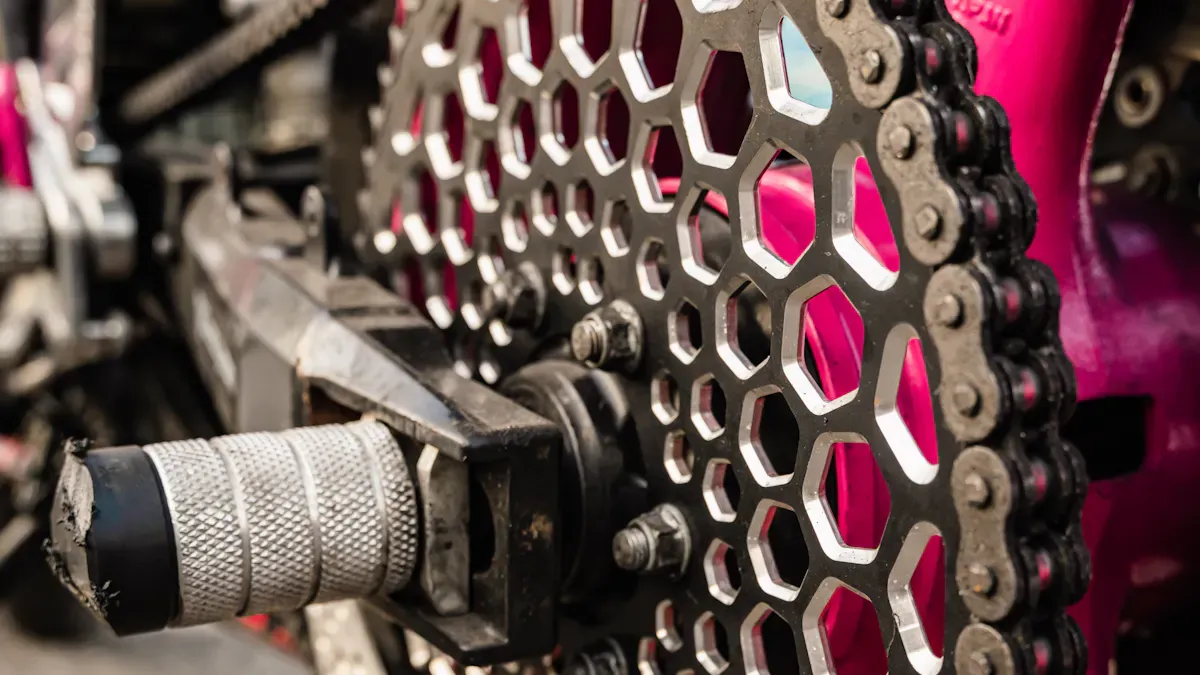
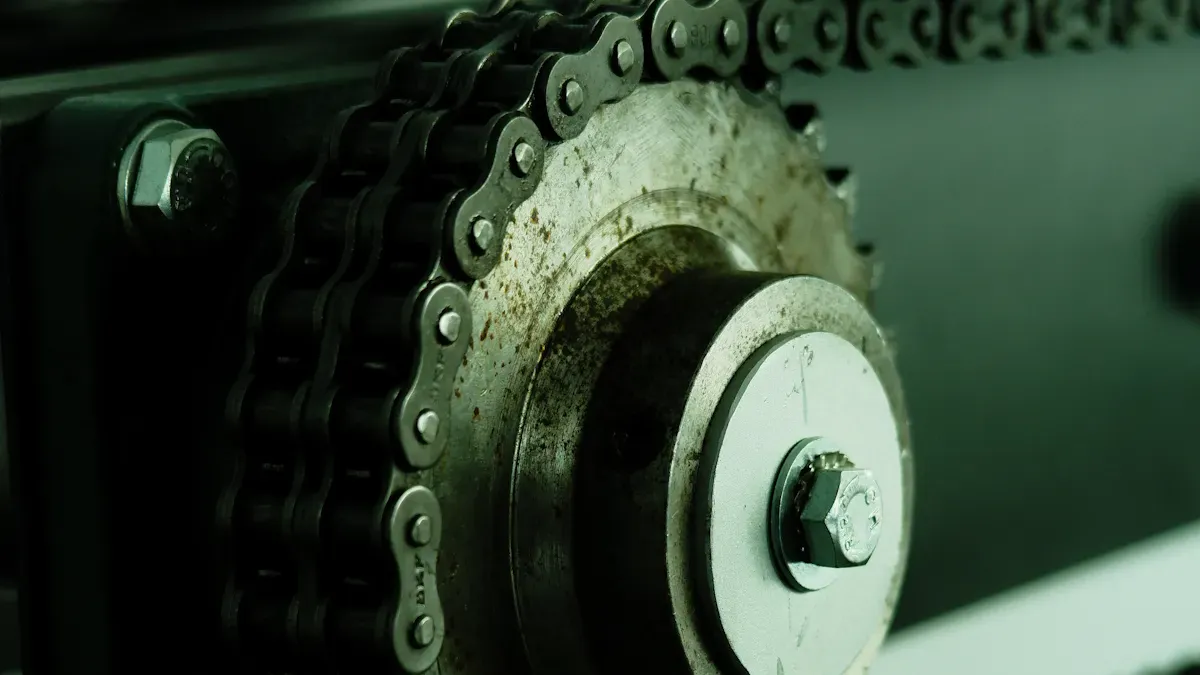
When you choose industrial chains and sprockets, you need to follow a few main steps. First, check that the shaft and chain fit well together to prevent misalignment. Next, pick the right material for your needs, such as strong steel for heavy loads or stainless steel for wet areas. Then, think about how much weight, speed, and what kind of environment the system will face. Always match the chain and sprocket for the best performance. If you focus on these details, you make your equipment safer and more reliable.
Key Takeaways
Always make sure the chain and sprocket fit together. This helps stop misalignment and keeps things running well. Pick materials that work for your area. Use strong steel if you have heavy loads. Use stainless steel if it is wet. Check often to see if everything fits and lines up right. This helps parts last longer and not wear out fast. Think about how much weight and speed you need. Pick sprockets that can do the job without wearing out too soon. Ask experts for help if the job is hard or you are not sure. This can help you avoid expensive mistakes.
Why Selection Matters
Choosing the right industrial chains and sprockets is important for your system. You want your machines to run smoothly and last longer. If you make the wrong choice, you can face many problems that affect both cost and safety.
Risks of Poor Choices
If you pick the wrong chain or sprocket, you put your equipment at risk. You may see more breakdowns and higher repair bills. Here are some common risks:
Mismatched chains and sprockets can cause increased friction. This leads to faster wear and tear.
Poor material selection can make your system weak against harsh environments. Rust or corrosion can damage parts quickly.
Incorrect tooth profile or pitch diameter can lower performance and create more maintenance work.
Misalignment or wrong tension can make loud noises and cause more wear.
You need to think about these risks before you choose your parts. Good choices help you avoid downtime and keep your machines working well.
Effects on Performance and Safety
Your choice of chains and sprockets has a big impact on performance. When you select the right parts, you get smooth operation and less noise. You also protect your workers and your investment. Here is how you can improve performance:
Evaluate load and speed needs. This helps you pick sprockets that handle the job without extra wear.
Make sure the tooth count matches the roller chain pitch. This gives you smoother performance.
Use high-quality materials that fit your working conditions. This boosts durability and performance.
Check for proper fit and alignment. This reduces friction and keeps performance high.
Choose designs with the right tooth profile and pitch diameter. This supports better performance and lowers costs.
Keep up with maintenance and lubrication. This extends the life of your system and keeps performance steady.
Watch for signs of wear or noise. Fix problems early to protect performance.
Match chains and sprockets carefully. This avoids performance losses and keeps your system safe.
Review your choices often. This helps you keep performance at its best.
Note: Good selection of chains and sprockets does not just save money. It also keeps your workplace safer and your machines running at top performance.
Industrial Chains and Sprockets: Selection Steps
Define Load and Power Needs
You need to know the load and power your system needs. This helps you pick the right industrial chains and sprockets. Here are some steps:
Find out how much weight your equipment will carry. Think about steady loads and loads that change.
Figure out the speed your chains and sprockets will run.
Work out the drive ratio. This means checking how sprocket sizes change speed and torque.
If you skip these steps, your equipment can break early. Repairs can cost a lot. Changes in speed and movement put extra force on the chain. Moving up and down makes vibrations. When the chain hits, it wears out faster. If the tension is not right, the chain faces more force. You must match the chain and sprocket to your load and power needs to stop these problems.
Assess Speed and Environment
Speed and environment affect how well industrial chains and sprockets work. Look at conveyor speed, torque, and the biggest load it can handle. Sprockets with fewer teeth make things go faster but wear out sooner. Sprockets with more teeth run smoother and last longer but may slow things down.
You also need to think about the environment. The table below shows how different conditions change performance:
Environmental Factor
Effect on Performance
Temperature
Makes parts age and break faster
Humidity
Causes rust and corrosion
Dust
Brings dirt and more wear
Corrosive Media
Weakens chains and breaks them
Moisture, chemicals, and high or low temperatures can hurt your chains and sprockets. Pick materials and designs that can handle these tough conditions.
Check Space and Fit
Good space and fit help your chains and sprockets work well. Measure the area where you will install them. Use tools like digital calipers to get exact numbers. Optical comparators check tooth shapes. Statistical sampling checks wear in many places. Non-contact optical methods let you measure through dirt. 3D scanning helps you copy worn sprockets for new ones.
Measurement Method
Description
Optical Comparators
Check tooth shapes with templates
Statistical Sampling
Measure wear in many spots
Non-contact Optical
Measure through dirt without harm
Digital Vernier Calipers
Give exact measurements for less money
3D Scanning Technology
Copy worn sprockets for making new ones
Check the center distance and alignment to stop misalignment and too much wear.
Match Chain and Sprocket Types
Matching the right chain and sprocket types is very important. Standard roller chains work for most machines. Heavy-duty roller chains handle big loads and shocks. Stainless steel chains fight rust in tough places. Double pitch chains are good for lighter and slower jobs. O-ring and X-ring chains last longer because of sealed rings.
Sprockets have different hub types like A-hub, B-hub, C-hub, and D-hub. Bore types include plain, finished, and taper bore. You can pick single-row or multi-row sprockets for your needs.
Make sure the sprocket pitch matches the chain pitch. If they do not match, the chain skips teeth and breaks. Always check if they fit before you install them.
Review Maintenance and Lubrication
Maintenance and lubrication keep your chains and sprockets working well. Follow these tips:
Clean your chains often to lower friction and wear.
Use good lubricant made for your chain type.
Keep the tension right to stop slipping and too much wear.
Do more maintenance in tough places. Use covers if needed.
Check your chains and sprockets for wear, rust, or damage.
Cleaning, oiling, and checking your equipment often make it last longer. Spot wear early and fix problems to avoid expensive repairs.
Tip: Good maintenance and lubrication cut down wear. Pick the right oil and use it the right way to make a strong oil layer. This stops metal parts from touching and helps your chains and sprockets last longer.
Sprocket Selection and Compatibility
Choose Sprocket Size and Teeth
You need to look at sprocket size and teeth number. These things change how your system works and how long it lasts. When picking sprockets, think about these points:
Chain compatibility: Make sure the sprocket fits the chain’s pitch, roller diameter, and width. This stops extra wear and keeps your system working well.
Number of teeth: Fewer teeth make things go faster but wear out sooner. More teeth help your sprockets run smoother and last longer.
Bore size: Match the bore to the shaft size. This stops slipping and keeps things lined up.
Material selection: Pick steel for strength or stainless steel for tough places.
Operating conditions: Think about load, speed, and how often you use it. These change how your sprockets work.
The size and teeth number on sprockets set speed and torque. Bigger sprockets turn slower but give more torque. Good alignment helps the chain move smoothly and lowers friction and wear.
Ensure Bore and Shaft Fit
You must check that the bore and shaft fit well. This keeps your sprockets safe and stops problems. A good fit stops slipping and keeps things lined up. It also spreads force evenly and makes your equipment last longer. The table below shows what happens if the fit is wrong:
Consequence
Description
Slippage
If the bore is too big, it can slip and cause problems.
Misalignment
Bad fit makes things misaligned and lowers performance.
Uneven Force Distribution
Wrong fit spreads force unevenly and wears parts faster.
Accelerated Wear and Tear
Misalignment makes sprockets and chains wear out quickly.
Reduced Lifespan
Parts wear out faster if the fit is not right.
Increased Maintenance Costs
More repairs and replacements cost more money.
Bore size matters for how well things work and how long they last. A tight fit stops slipping and keeps your system working well.
Confirm Chain Compatibility
You must check chain compatibility before you put in sprockets. Follow these steps:
Make sure the chain pitch matches the sprocket pitch.
Check that the chain gauge fits the bar groove.
Make sure the chain length matches the bar length.
When sprockets and chains fit, your system works well. This spreads load evenly and cuts down vibration, noise, and wear. Good chain compatibility keeps things running steady and protects your equipment.
Tip: Always check sprocket types and chain compatibility. This easy step saves time and money by stopping early wear and system problems.
Mistakes to Avoid
Overlooking Application Needs
You must pick chains and sprockets for your job. If you do not, your system can have problems. Using the wrong size or type makes parts wear out fast. You may fix things more often and pay more money. Sometimes, machines stop working without warning. Picking the wrong chain size can cause mistakes. The table below shows what happens if you do not match your parts:
Impact Type
Description
Excessive Wear
Chains not made for the job wear out faster.
Frequent Breakdowns
Wrong parts can break and stop your machines.
Increased Maintenance Costs
More repairs and new parts cost more money.
Unplanned Production Stoppages
Machines can stop working without warning.
Specification Errors
Picking chains too small makes them fail.
Chronic Overload Conditions
Chains get too much weight and break early.
Tip: Always check what your system needs before picking chains and sprockets.
Ignoring Environmental Factors
You must think about where your equipment will work. Temperature, water, chemicals, and dust change how long parts last. Hot places break down oil faster. Water can make parts rusty. Chemicals can damage chains. Dust makes parts wear out more. The table below shows these effects:
Environmental Factor
Effect on Performance
Temperature extremes
Oil breaks down faster
Moisture exposure
Parts get rusty
Chemical contamination
Chemicals hurt chain materials
Airborne particles
Dust makes parts wear out faster
Humidity control
Stops rust and keeps oil working
Thermal cycling
Parts stretch and shrink, causing breaks
Note: Picking the right materials and designs helps your equipment last in tough places.
Mismatching Components
Do not think all chains and sprockets fit together. If you mix the wrong parts, you get big problems. For example:
A new chain on old sprockets wears out fast.
If the pitch does not match, parts wear out quickly.
Not changing both parts at once makes them last less.
Extra weight can break your equipment.
A new chain that does not fit old sprockets can make the system fail.
The table below shows common mistakes and what happens:
Mistake
Explanation
Assuming sprockets and chains are interchangeable
Wrong parts wear out fast and work badly.
Choosing the lowest-cost option
Cheap parts cost more later because you replace them often.
Remember: Always check that your parts fit before you put them in. This easy step keeps your machines safe and working well.
When to Consult Experts
Picking industrial chains and sprockets is not always easy. Sometimes, you need help from experts. They know how to match parts for your system. Experts help you avoid mistakes that waste money or cause downtime.
Complex or Unusual Applications
Some machines have special needs. Certain industries need custom solutions for power transmission. Experts help you find the right chain and sprocket for these jobs. The table below shows examples of complex jobs where expert help is needed:
If your job is not standard, ask an expert. They help you pick parts that last longer and work better.
Tip: Experts can give advice on how your system works. They help you make smart choices for your needs. Asking an expert stops costly repairs and keeps your system reliable.
Unclear Specifications
Sometimes, you do not know all the details about your machine. You may not know the chain size or sprocket type. When this happens, follow these steps:
Find out if you need a drive chain or conveyor chain.
Check the horsepower and RPM of the fastest shaft.
Look at the environment, like dust, moisture, or heat.
Measure the center distance to find the chain length.
Ask an expert for advice, especially for fast or heavy jobs.
Experts help you understand what your machine needs. They check things like load, environment, and wear resistance. Picking the right sprocket makes your system work better and last longer.
Note: If you are unsure about specifications or face unusual conditions, expert advice helps you avoid mistakes and keeps your equipment safe.
You can choose the best industrial chains and sprockets by following a few key steps. First, check your load and environment. Next, select the right material and chain type for your job. Regular maintenance and proper fit help your system last longer. Review your needs and ask experts for advice when you feel unsure.
Pick materials like carbon steel for dry areas or stainless steel for wet places.
Calculate your load and check chain size for safety.
Match chains and sprockets to avoid problems.
Expert help can prevent costly mistakes.
FAQ
What is the most important factor when choosing a chain?
You need to match the chain to your load and environment. If you pick the wrong size or material, your equipment can break or wear out quickly.
How often should you check chain and sprocket alignment?
You should check alignment every time you install new parts. Regular checks help you spot problems early and keep your system running smoothly.
Can you use any lubricant for chains?
You must use lubricant made for your chain type. The right oil reduces friction and wear. Using the wrong lubricant can cause damage.
What happens if you mix old sprockets with new chains?
If you use old sprockets with new chains, you risk faster wear and system failure. Always replace both together for best performance.

 Español
  English
  العربية
  Français
  Русский
  Português
  Deutsch
  italiano
  日本語
日本語  한국어
한국어  Nederlands
  Tiếng Việt
  ไทย
ไทย  Polski
  Türkçe
  አማርኛ
አማርኛ  ພາສາລາວ
  ភាសាខ្មែរ
  Bahasa Melayu
  ဗမာစာ
ဗမာစာ  தமிழ்
தமிழ்  Filipino
  Bahasa Indonesia
  magyar
  Română
  Čeština
  Монгол
  қазақ
қазақ  Српски
  हिन्दी
  فارسی
فارسی  Kiswahili
  Slovenčina
  Slovenščina
  Norsk
Norsk  Svenska
  українська
  Ελληνικά
  Suomi
Suomi  Հայերեն
  עברית
עברית  Latine
  Dansk
Dansk  اردو
اردو  Shqip
Shqip  বাংলা
বাংলা  Hrvatski
  Afrikaans
  Gaeilge
  Eesti keel
  Māori
Māori  සිංහල
සිංහල  नेपाली
  Oʻzbekcha
  latviešu
  অসমীয়া
  Aymara
  Azərbaycan dili
  Bamanankan
  Euskara
  Беларуская мова
  भोजपुरी