In a power transmission system, optimal performance and efficiency depend heavily on proper assembly of the shaft ring and the chain. Otherwise, your chain and system would experience premature wear and costly downtime. This guide will give a detailed explanation on how to assemble the shaft ring and chain to ensure safe operation.
What is a Shaft Ring?
A shaft ring is an element that holds components to a shaft and prevents unnecessary movement in power transmission systems. It retains bearings, sprockets, and chains so that they run easily in alignment. A shaft ring is typically composed of hardened steel or stainless steel in order to offer wear resistance and strength.
What is a Chain?
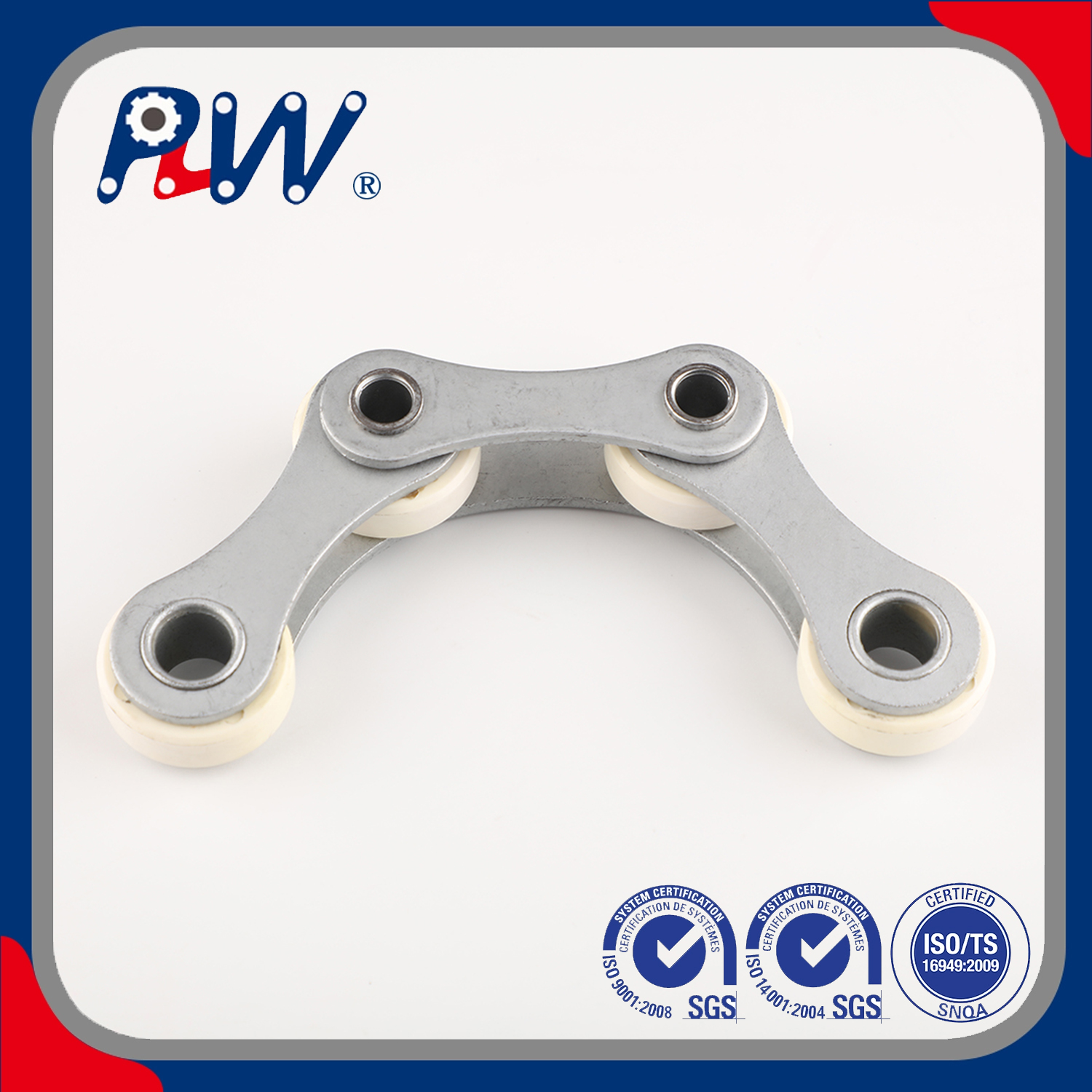
A chain is a series of linked elements that transmit mechanical power and torque between sprockets and shafts. It provides positive engagement, preventing slippage and misalignment. It is used in high-load applications, such as conveyors and industrial equipment.
Its functions include:
● Efficient torque transmission between shafts
● Withstand heavy load with minimal stretch
● Operate in high-demand environments
Why is the Shaft Ring and Chain Assembly Important?
● Power transmission: When the shaft ring and chain are properly assembled, power can be easily transferred between one shaft and another with minimal loss of power. It reduces vibration and guarantees efficient performance.
● Prevents damage: Proper assembly prevents sprockets and bearings from shifting during operation. Thus, it reduces friction and wear, preventing damage and saving you on replacement and maintenance costs.
● Improves safety: Proper assembly prevents the risk of sudden equipment failure and ensures the safety of workers at all times.
● Reduces downtime: Poor assembly can lead to unexpected breakdowns that can cost you financial losses. Proper assembly leads to fewer frequent adjustments, fewer replacements, and minimal unexpected maintenance.
● Extend lifespan: Proper assembly leads to even stress distribution. This, in turn, leads to durable machines and a good return on investment.
Tools and Materials You'll Need
Here are some of the materials you'll need for an easy assembly process:
Tools | Functions |
Wrenches & socket sets | For tightening and securing shaft rings |
Screwdrivers | To assist with chain connectors or guards |
Pliers | For handling chain links |
Calipers or micrometers | To check the shaft diameter and chain fit |
Laser alignment tool | For proper alignment of sprockets and chains |
Torque wrench | For tightening shaft rings |
Chain beaker tool | To adjust chain length |
Master link tool | To secure or disconnect the master link easily |
Tensioning tool | For proper tensioning without guesswork |
Gloves | To prevent injuries from sharp objects |
Goggles | To protect your eyes from debris or grease splashes |
Protective clothing | To reduce injury risk |
Lubricant | To reduce friction |
Soft, dry cloth | To clean the shaft before lubricating |
Cleaning solvent | To remove grime |
Pre-Assembly Preparation of Shaft Ring and Chain
Cleaning the Shaft and Components
A clean surface is crucial for proper assembly. Dust, grease, and dirt can cause the shaft ring to slip or cause the chain links to have increased friction during operation. Use a degreaser or industrial cleaning solvent to remove oil and grime from.
Wipe the shaft and chain with a lint-free cloth, leaving no residues behind. In case of hard deposits, it is advisable to wipe off the surface with a wire brush. A smooth surface gives you a more secure fit to minimize slippage after assembling the parts.
Inspecting the Shaft Ring and Chain
Examine the shaft ring and chain for signs of failure or damage. If you assemble worn-out parts, you will shorten the lifespan of your system. Check the shaft; it should be free of cracks or bends. Check for deformities or rounded set screws in the shaft ring. Replace if you notice any.
Inspect the chain for stiff links, elongation, cracks, or rust. Replace worn-out parts to prevent downtime and ensure consistent performance.
Ensuring Correct Chain Length and Type
Ensure the chain pitch and roller size match the sprockets. The mismatched parts may lead to misalignment, noise, or undue wear. Make sure that the chain is of the correct length so that it does not hang, slip, or strain. To prevent guesswork, refer to the guidelines of the manufacturer.
Step-by-Step: How to Assemble the Shaft Ring and Chain
Step 1: Position the shaft ring correctly
Ensure the shaft ring is in the correct position on the shaft. Slide the shaft ring onto the shaft at the required location where it will secure the sprocket in position. Ensure the surface is clean and smooth. Place the shaft ring flush against the component it is designed to hold.
Do not force the shaft ring into place because this will damage the ring and the shaft surface. Apply gentle pressure and lightly tap with a soft mallet to make it seat properly. Check for even contact and confirm that it is in the correct position before you tighten the ring.
Step 2: Align the chain with the sprockets
Once the shaft ring is in position, carefully align the chain path with the sprockets. Check for horizontal and vertical alignment to ensure the sprocket teeth are properly in place and that the chain will not jump off or sag during operation.
Use a laser alignment tool to verify that the sprockets are perfectly in line. This step is crucial as even a small misalignment can cause uneven loading, leading to wear, noise, and potential damage. Inspect the keyway on the sprockets to make sure they are properly tightened - that is, not too tight and not too loose.
Inspect the quality of the sprocket, such as worn or damaged teeth. Damaged teeth influence the chain assembly and assembly process, resulting in slippage and stress. Inspect the quality of the sprocket, such as worn or damaged teeth.
Step 3: Mount the chain onto the sprockets
Mount the chain onto the sprockets by draping the chain around the driver sprocket. After that, loop it over the driven sprocket. For long chains, position the chain around both sprockets at the same time. You can get the help of a technician to do this.
Make sure that the chain is aligned in the sprocket teeth. The rollers are to lie well in individual pockets. The chain must never be twisted or forced out of position because it can adversely affect the strength of the chain.
After mounting, make the system rotate by hand to ensure that the chain is free to move without being stiff or frictional. This ensures the chain has been properly seated and there will be consistent torque transfer.
Step 4: Secure the shaft ring using proper torque
Use a torque wrench to tighten the set screws, bolts, and other fastening elements to secure the shaft ring in its final position. Make sure you use the proper torque. Too little torque will cause the shaft ring to slip under load; too much torque will deform the shaft surface.
Rather than using your hand for tightening, use a calibrated torque wrench. It will ensure precision, and you will be able to clamp the shaft ring with accuracy. In case of screws, tighten them slowly, in a crisscross fashion, in order to evenly disperse tension throughout the shaft.
Confirm that the shaft ring is flush against the component it is holding. Rotate the shaft by hand to confirm there is no uneven movement.
Step 5: Adjust chain tension and alignment
A chain that is too tight will put more stress on the sprocket; a chain that is too loose will cause it to jump off. Therefore, the correct tension is necessary to prevent such extremes.
Move the driven sprocket outward to apply the right tension. The chain should have about 4% of its center distance as slack - just enough to allow a little movement when you press it, but not so much as to make it sag. To verify that there is no tension in the system, rotate the system manually.
Confirm chain alignment after adjusting tension. The alignment tool can be used to ensure accuracy. Secure the adjustment bolts and locking mechanisms to prevent shifting during operation. Whenever tension is adjusted properly, you eliminate noise and maximize efficiency.
Step 6: Lubricate moving parts
Proper lubrication prevents rust and ensures a smooth operation. This final step can disrupt other steps if it is overlooked. Apply a suitable lubricant that matches the chain. Ensure it is evenly distributed and that it penetrates the roller and pin, where friction mostly occurs.
Take care not to apply to a dirty surface, and do not over-apply. Overlubrication can attract dust and debris. If you've applied too much lubrication, use a soft, dry cloth to wipe off the excess. After lubrication, run the chain smoothly to ensure that there is minimal friction.
It is also advised to lubricate the shaft ring's contact points for minimal friction and reliable operation.
Common Mistakes to Avoid in Assembly
● Over-tightening the shaft ring: Applying too much torque can damage the shaft surface. Applying proper torque with a torque wrench can prevent this problem.
● Misalignment between sprockets: Misalignment between the chain or sprockets is a costly mistake that can lead to uneven loading, unusual noise, or damaged sprocket teeth.
● Incorrect chain tension: Chains that are too tight can cause excessive friction and stress. Chains that are too loose can cause sag. Always follow the correct slack, 4% of the center distance, and test by rotating the system with your hands.
● Using incompatible shaft rings or chains: Using incompatible parts can cause misalignment and frequent breakdowns. Inspect parts before you assemble.
● Neglecting lubrication: Underlubrication can generate heat and friction, and overlubrication can attract dirt and grime. Lubricate with the right lubricant, method, and frequency to get your system working at its best.
● Skipping final inspection: Even after you've assembled the shaft ring and chain, failing to conduct a final check can result in issues you may not notice. Test-run the system to ensure assembly is complete.
Expert Maintenance Tips After Assembly
1. Regularly lubricate the chain and sprockets to minimize friction, excessive wear, and stretching. Use a suitable lubricant intended for the operating environment.
2. Periodically inspect the chain tension to prevent damage to other components.
3. Gradual misalignments can occur during operation. Therefore, conduct routine inspections to check for alignment. Always verify on occasion that the sprockets and chains are intact.
4. Monitor the condition of the shaft ring. Check for signs of wear, cracks, or loose parts. Retighten or replace if necessary.
5. Always have a regular cleaning schedule to remove buildup, dust, and debris. Use the right cleaning agent and reapply fresh lubricant so the chain doesn't run dry.
6. Replace worn-out parts on time, as this will prevent small problems from turning to big ones.
Conclusion
Now that you know how to assemble the shaft ring and chain, you can safely install these components while avoiding common mistakes. Remember, this is essential in improving performance and equipment lifespan.
Don't second-guess your operations. If you want shaft, chain, and sprocket solutions at your fingertips, contact us at HANGZHOU PERPETUAL MACHINERY & EQUIPMENT CO., LTD., for expert guidance personalized for your needs.
FAQs
How can I align a chain conveyor?
Disconnect the power and remove the chainguard. Then, place a straightedge across the sprockets to ensure the faces are square and adjust as needed. Adjust the tension by tightening the bolts, but do it equally on both sides to maintain sprocket alignment. Lubricate the chain, replace the guard, and reconnect power to test the conveyor.
What is the function of a transmission shaft?
The function of a transmission shaft is to transmit motion and torque from a source to a driven component.
What is the difference between a chain and a roller chain?
A chain is a broad term for a series of linked components. A roller chain is a specific type of chain used in efficient power transmission.
What are the five parts of a roller chain?
The five parts of a roller chain include (1) the pins, (2) the bushings, (3) the rollers, (4) the inner plates, and (5) the outer plates.
What are chain parts called?
Chain parts are generally called links. In roller chains, there are different chain parts that perform various functions.

 Español
  English
  العربية
  Français
  Русский
  Português
  Deutsch
  italiano
  日本語
日本語  한국어
한국어  Nederlands
  Tiếng Việt
  ไทย
ไทย  Polski
  Türkçe
  አማርኛ
አማርኛ  ພາສາລາວ
  ភាសាខ្មែរ
  Bahasa Melayu
  ဗမာစာ
ဗမာစာ  தமிழ்
தமிழ்  Filipino
  Bahasa Indonesia
  magyar
  Română
  Čeština
  Монгол
  қазақ
қазақ  Српски
  हिन्दी
  فارسی
فارسی  Kiswahili
  Slovenčina
  Slovenščina
  Norsk
Norsk  Svenska
  українська
  Ελληνικά
  Suomi
Suomi  Հայերեն
  עברית
עברית  Latine
  Dansk
Dansk  اردو
اردو  Shqip
Shqip  বাংলা
বাংলা  Hrvatski
  Afrikaans
  Gaeilge
  Eesti keel
  Māori
Māori  සිංහල
සිංහල  नेपाली
  Oʻzbekcha
  latviešu
  অসমীয়া
  Aymara
  Azərbaycan dili
  Bamanankan
  Euskara
  Беларуская мова
  भोजपुरी


