A roller chain may look like a simple mechanical component, but it consists of several parts that perform different jobs. If one component fails, the entire power transmission system can lose efficiency, wear out faster, or even stop working altogether.
In this article, you'll learn about every major roller chain component, its functions, and how each of them affects roller chain performance.
Understanding the Basic Structure of a Roller Chain
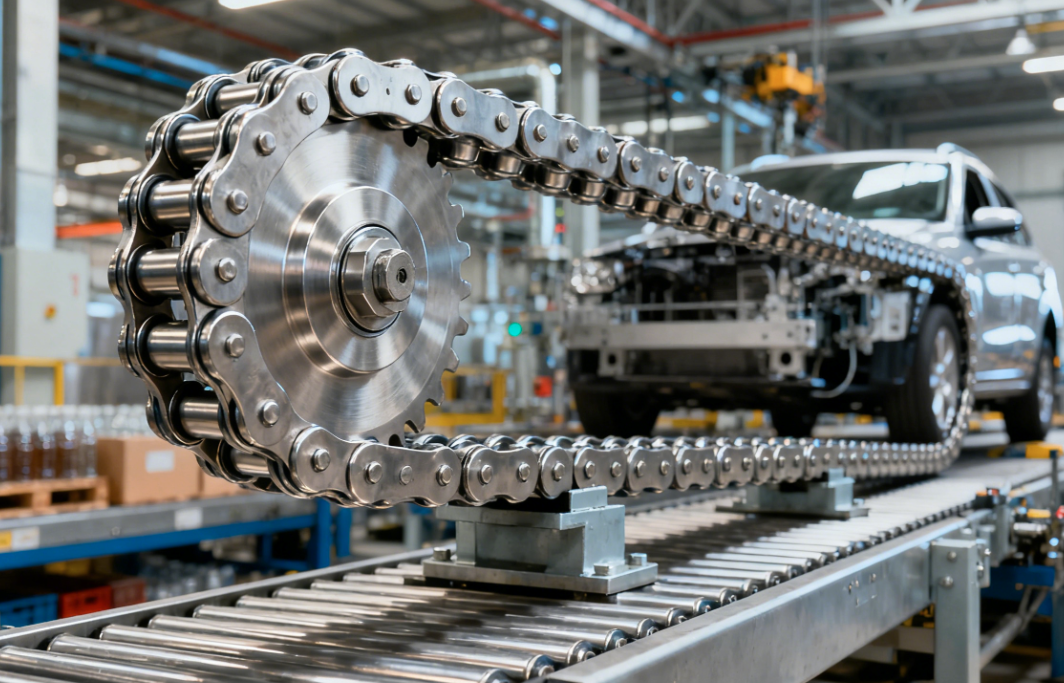
Roller chains transmit power through positive engagement between the chain rollers and the teeth of a sprocket. This engagement creates efficient power transfer with minimal slipping. They’re found in industrial machinery, agricultural equipment, food processing equipment, and conveyor systems.
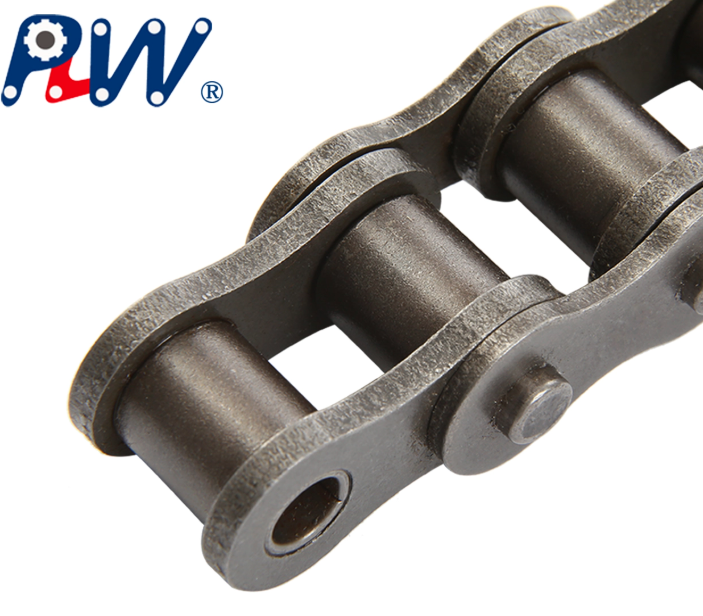
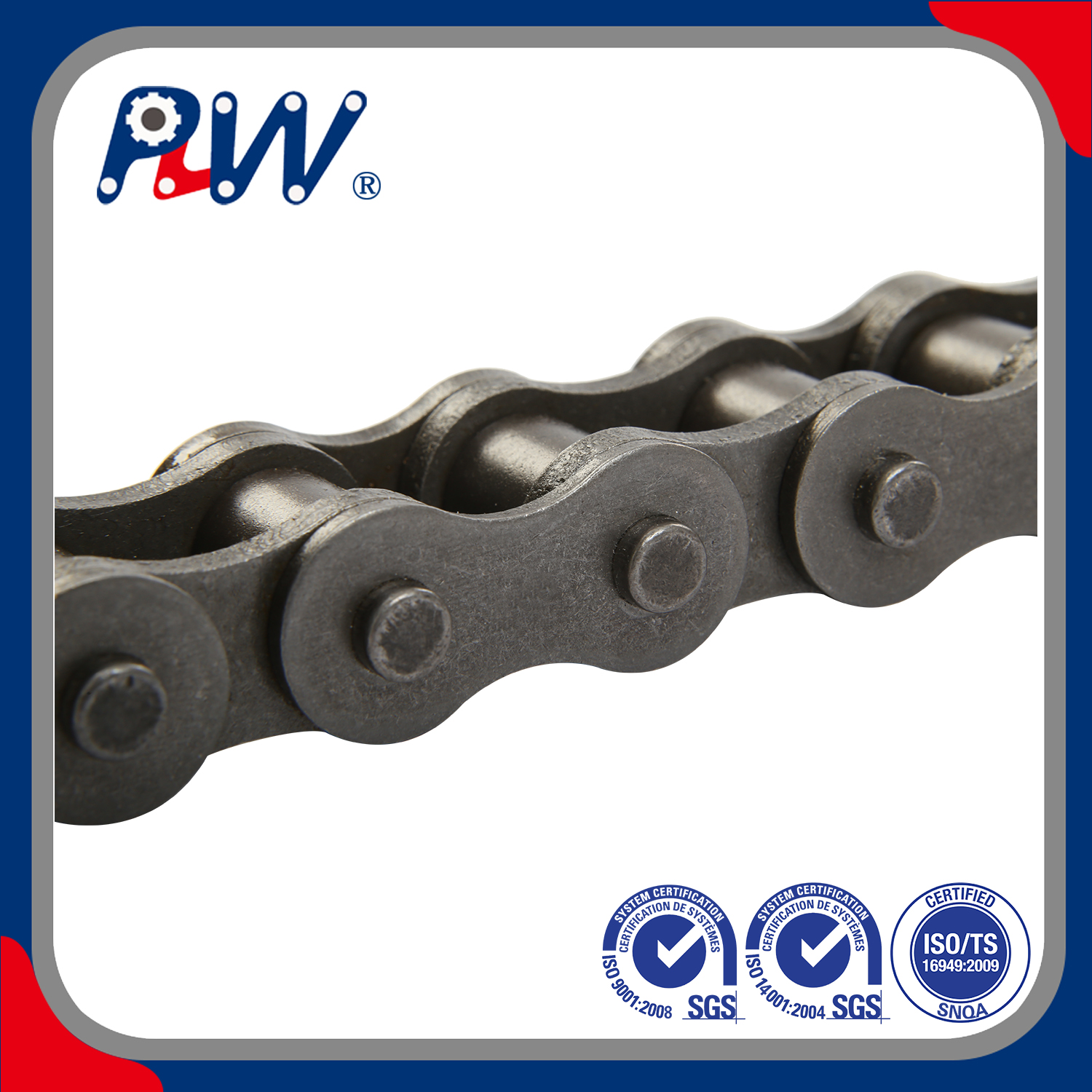
A standard roller chain consists of alternating inner links and outer links connected together to form a continuous loop. Each link contains several precision-engineered parts that must work together under heavy loads, high speeds, and harsh operating environments.
Pins are the backbone of every roller chain. They connect the inner and outer links while acting as the pivot points that allow the chain to articulate around sprockets. Every time your equipment runs, each pin rotates slightly inside its corresponding bushing. This constant movement makes pins one of the hardest-working parts of the chain.
Functions of Pins in a Roller Chain
Pins perform several important functions:
Securing Components: Pins keep gears, shafts, and couplings secured in their proper places to ensure that they do not move out of place. It translates into reliable functioning and minimal breakdown in your heavy-duty equipment.
Transmitting Torque: Pins don't only function as fasteners but also play an important role in transferring torque from one component to another in your equipment. This guarantees consistent output of power from your equipment, which is very important for industrial uses.
Providing Alignment: Pins provide guidance during assembly to ensure that all components are correctly aligned. This will minimize the possibility of installation mistakes and also reduce maintenance time for you.
Acting as Safety Features: Some pins can be purposely designed to fail due to overload so as to save the rest of the equipment from getting damaged. This makes it cheaper to fix your equipment since pins are relatively cheap.
Materials Commonly Used for Pins
Steel: This material is strong in terms of tensile strength and is corrosion-resistant. It is used in the manufacture of pins.
Ductile Iron: This material is tough and flexible. This makes it applicable in applications that need high strength.
Copper: This material conducts electricity very well. This makes it applicable in transformers and electrical pins.
Aluminum: This material is light in weight and is conductive. This is applicable in transformers’ connections.
Common Pin Wear Issues
Corrosion: Pins that are subjected to moisture, salty sprays, or industrial pollutants are prone to corrosion. Corrosion reduces the mechanical strength and the efficiency of electrical conductivity of the pins. This is particularly important in industrial areas.
Fatigue and Stress Cracking: Mechanical load, vibrations, and heat cycles can induce fatigue cracks. With time, the pins are not able to withstand or transfer torque.
Misalignment and Wear at Contact Points: This occurs due to improper installation or continuous usage of the pins.
Bushings
What Is the Purpose of Bushings?
Bushings are cylindrical sleeves that are placed between the pins and rollers. They act as the bearing surface where the pins rotate during chain engagement. They reduce friction and extend chain life.
How Bushings Reduce Friction
Every time that the chain wraps around the sprocket, all pins rotate against their respective bushings. In case of lubrication of the chain, there will be an oil film between them. This reduces friction and decreases the wear of the parts, which in turn helps minimize wear.
Bushing Wear and Its Impact on Chain Life
Wear occurs because of the heat generated during the work, as well as the friction and contamination. Movement of shafts relative to their housing results in gradual destruction of the bushings. If there is no lubrication or misalignment, the rate of wear may be even higher.
Bushing failures are usually accompanied by failure of other elements of the transmission, such as bearings, shafts, gears, and others. This can result in additional costs.
Rollers
What Are Rollers in a Roller Chain?
The rollers are the cylindrical members present around each bush. It is these rollers that come into contact with the sprocket tooth during the operation. Since the rollers undergo frequent impacts, their influence on chain efficiency becomes important.
How Rollers Engage with Sprocket Teeth
During operation, when the chain approaches the sprocket, the roller fits itself into the profile of the tooth. The roller does not slide but rotates about the bushing. Rolling of the roller results in lower friction and smoother power transfer.
Consequently, there are reduced operating temperatures and energy losses in the transmission system.
Benefits of High-Quality Rollers
Reduced Friction: Rollers prevent any direct contact between the chain and the teeth of the sprocket wheel. As a result, friction decreases, reducing wear and tear for both parts. It helps to reduce expenses on equipment maintenance and extend its lifespan.
Improved Efficiency: Due to the rolling rather than sliding process, rollers improve the efficiency of energy transfer in chains. Thus, the chain will operate smoothly.
Extended Service Life: As rollers take up most of the stress while the equipment works, they increase the lifespan of the chain links and sprockets. You will spend less money on buying new parts.
Noise Reduction: Rollers help to decrease vibrations and reduce noise. This characteristic may be helpful in those cases when noiseless operation is necessary.
Common Roller Failure Modes
Wear and Flattening: Due to continuous contact with sprocket teeth, rollers become worn and flattened with time. This leads to increased friction, inefficiency, and fast chain elongation. Lack of monitoring in this case results in high costs for chain replacements and maintenance.
Cracking or Breakage: Due to heavy loads, shocks, or low-quality material, the rollers can get cracks or even break off. As a result, the chain fails to engage smoothly with the sprocket.
Seizure from Poor Lubrication: The lack of lubrication will cause rollers to seize on the bushings, which produces a lot of friction, noise, and heat that affect both rollers and sprockets. This results in higher energy consumption and system inefficiency for your company.
Corrosion and Surface Degradation: Exposed to moisture, corrosion, chemicals, etc., the rollers may be affected negatively and lose their strength and operational capability.
Inner Plates
Structure and Function of Inner Link Plates
Inner plates constitute the sides of all inner links. The set of inner plates ensures that the bushings are securely held in place. These inner plates are necessary for the maintenance of the strength of the chain.
Role in Supporting Tensile Loads
Inner plates are the main components that bear and transmit the tensile loads that are created during power transmission in the chain. Inner plates hold the pins and bushings together to make sure that the chain resists the tensile loads and does not stretch or break.
The tensile loads on the inner plates prevent the chain from elongation. Proper function of the inner plates maintains alignment of the chain. Therefore, there is less chain elongation, and the chain is able to function properly.
Material and Manufacturing Considerations
The materials used for making inner plates are mainly high-carbon steels or alloy steels. To improve the fatigue resistance properties, some companies use heat treatment, surface finishing, and short peening for improving the performance of the inner plates.
Among these three methods, short peening provides compressive stress on the surface of the inner plates and prevents fatigue cracking.
Outer Plates
What Are Outer Link Plates?
Outer plates form the sides of every outer link. Each pair is press-fitted onto the chain pins, locking the entire assembly together. They directly retain the pins in transmission systems.
Factors Affecting Plate Strength
Material Selection: The kind of steel or alloy that has been used for the manufacture of outer plates affects the tensile strength and fatigue resistance of the plate. High-grade carbon steel or stainless steel ensures better longevity than low-quality metals.
Heat Treatment: Heat treatment increases the hardness and toughness of the plates. Failure to do so will result in cracks and warping of the plate.
Plate Thickness: The thicker the plate, the higher the tensile force that can be endured by it. However, increasing the thickness will increase its weight as well.
Surface Finish and Coating: Surface coating minimizes wear and tear and also protects the metal from corrosion.
How Component Quality Affects Roller Chain Performance
Impact on Load Capacity
The quality of the rollers in the chain ensures that loads are distributed evenly through the chain. Such even distribution helps the chain support heavier working conditions without straining any single component of the chain.
Quality pins, plates, and bushings also offer more resistance to fatigue and distortion, minimizing early failure of the chain.
Impact on Transmission Efficiency
Another effect that results from the quality manufacture of the chain is that it becomes smooth. With such a smooth roller chain, friction is minimized, resulting in low energy losses in power transmitting systems.
Impact on Service Life
The durability of the roller chain also increases due to the quality material and heat treatment that the chain receives during manufacture.
Impact on Maintenance Requirements
Well-made components will resist wearing out better, giving you the ability to lengthen the time between maintenance tasks. Although regular maintenance remains an important consideration, a good chain will need less unscheduled repair work.
Impact on Operational Safety
Failure of the chain may affect machinery, disrupt operations, and endanger workers' safety. Using high-quality chains made from dependable materials ensures that you have less to worry about such problems.
How to Inspect Roller Chain Components
Inspecting Pins for Wear
The wear on the pins does not always occur externally. Therefore, inspect for signs of chain elongation, rust at the joints, hard links, or oil leakage through worn joints. In case the chain doesn't bend smoothly after cleaning, the problem may be worn-out pins.
Checking Rollers for Damage
Each roller needs to be checked for signs of wear, surface cracking, chipping, or wear. A good roller should turn freely around the bushing. When damaged, there may also be noticeable vibrations or noise while the chain is running.
Evaluating Plate Condition
The plates have to be inspected for signs of cracks at pin holes, bends in the plates, rusting, distortion, and excessive wear. Cracks mean replacement of the chain.
Measuring Chain Elongation
Measuring chain elongation is one way to know if a chain has reached the end of its service life. Measure multiple pitches according to the manufacturer’s recommendations and replace the chain before excessive elongation develops.
Inspecting Connecting Links
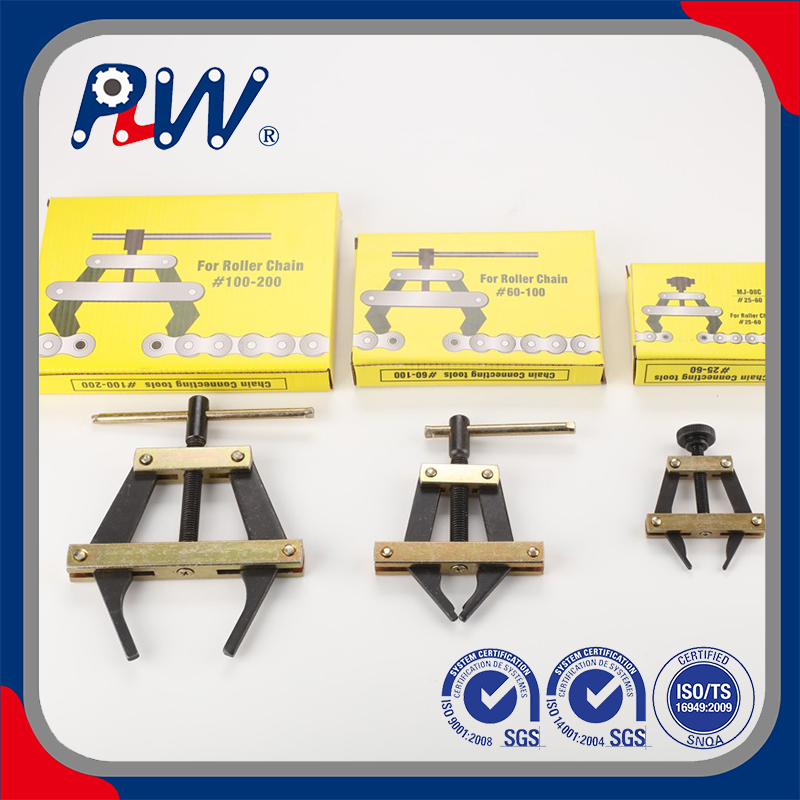
Check the connection links for loose side plates, damaged retaining clips, and improper installation. Verify that the closed end of the clip faces the direction of chain travel. A simple mistake can cause problems such as clip detachment during operation.
Conclusion
Although a roller chain may appear to be a simple assembly, its performance depends on the interaction of other components - from the pins and bushings to the rollers, plates, and connecting links. Understanding how these parts function together helps you make improved maintenance practices and reduce costly downtime.
Which roller chain component experiences the most wear?
The pins and bushings experience the most wear because they constantly rub against each other.
Can individual roller chain components be replaced?
Yes, you can replace individual roller chain components. However, it is recommended that you rebuild a worn chain part-by-part.
How often should roller chains be inspected?
You should inspect roller chains based on their usage hours and operating environment. For example, you could inspect after the first 50 hours of operation or, in the case of severe conditions, inspect every 200 hours or more frequently.

 Español
  English
  العربية
  Français
  Русский
  Português
  Deutsch
  italiano
  日本語
日本語  한국어
한국어  Nederlands
  Tiếng Việt
  ไทย
ไทย  Polski
  Türkçe
  አማርኛ
አማርኛ  ພາສາລາວ
  ភាសាខ្មែរ
  Bahasa Melayu
  ဗမာစာ
ဗမာစာ  தமிழ்
தமிழ்  Filipino
  Bahasa Indonesia
  magyar
  Română
  Čeština
  Монгол
  қазақ
қазақ  Српски
  हिन्दी
  فارسی
فارسی  Kiswahili
  Slovenčina
  Slovenščina
  Norsk
Norsk  Svenska
  українська
  Ελληνικά
  Suomi
Suomi  Հայերեն
  עברית
עברית  Latine
  Dansk
Dansk  اردو
اردو  Shqip
Shqip  বাংলা
বাংলা  Hrvatski
  Afrikaans
  Gaeilge
  Eesti keel
  Māori
Māori  සිංහල
සිංහල  नेपाली
  Oʻzbekcha
  latviešu
  অসমীয়া
  Aymara
  Azərbaycan dili
  Bamanankan
  Euskara
  Беларуская мова
  भोजपुरी